The UK's cereal and oilseed harvest could be the worst on record since detailed records began in 1984, as drought and heatwaves have cut yields by an estimated 2.5 million tonnes compared to earlier forecasts. The Energy and Climate Intelligence Unit (ECIU) analysis suggests the exceptionally hot spring and summer could reduce the harvest to 19.5 million tonnes, overtaking 2020 as the worst on record.
Drought Conditions and Reservoir Levels
Large parts of England are experiencing ongoing drought conditions. The Environment Agency revealed on Friday that England's reservoir storage now stands at 66% – down from 69% a week ago and nearly 14 percentage points below the long-term average for the time of year. This summer has seen the UK experience record-breaking heatwaves, with Thursday, August 13, marking the second time temperatures have exceeded 38C this year.
Farmers Warn of 'Completely Brutal' Harvest
These conditions have led farmers to warn of a "completely brutal" harvest this year. The latest data from the Agriculture and Horticulture Development Board (AHDB) suggests wheat, barley and oat yields will all be down, with wheat harvests averaging just 6.8 tonnes per hectare – well below the 10-year average. Poor harvests could be costing UK farmers as much as £390 million this year.
Martin Lines, chief executive of the Nature Friendly Farming Network (NFFN) and a farmer in Cambridgeshire, said: "After two terrible harvests in a row, the crops this year were looking good and full of potential coming out of spring, only for months of drought and heatwaves to destroy any prospect of a decent harvest. I’ve never known it this dry and hot on our farm."
He added: "Even farmers I know who were sceptical of climate change are now saying they’re really worried about the future of their businesses and production, it’s just been completely brutal for our industry."
Impact on Greater Manchester and Consumers
While regions such as the North West are not in drought, Greater Manchester, Merseyside and Cheshire are classified as experiencing prolonged dry weather. Christopher Bowden, Research Associate in Civil Engineering and Management at the University of Manchester, said the timing of this year's drought has had a particularly influential impact on harvests. He explained: "This is the third drought for a lot of parts of the UK in five years."
Dr Bowden noted that in 2022, despite temperatures exceeding 40C for the first time, total crop production rose about 10% above the long-term average because the timing was compatible with crop growth. However, this year, the timing of heat and dry periods relative to crop growth has had a "real exaggerated impact."
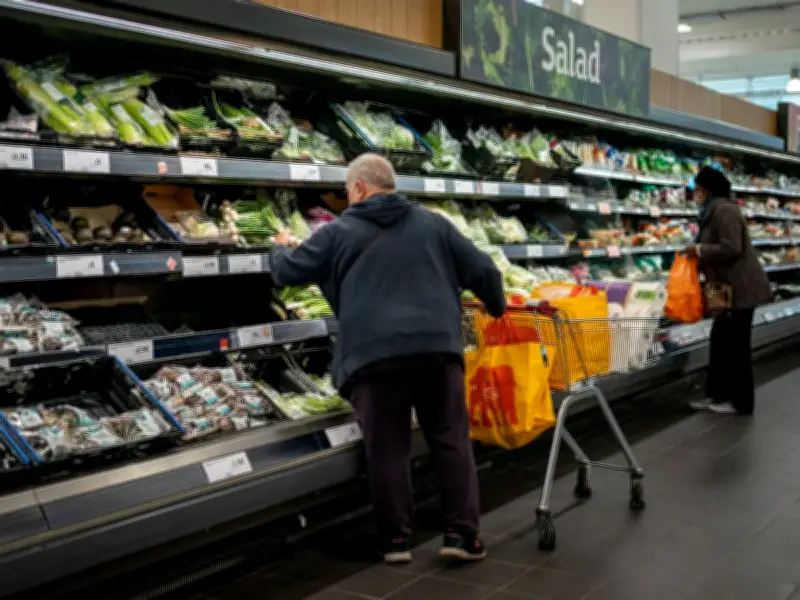
Dr Bowden said there was a possibility that poor harvests could affect supermarkets and retailers, with consumers potentially seeing impacts from the autumn. He explained that in the North West, about 70% of agricultural output is from livestock, and two consecutive dry years have led to poor forage harvests, making winter feeding difficult for farmers. He added that staples like bread, beer and pasta might go up in price as grain would need to be imported.
Dr Bowden added that a lot of the pressure of poor harvests will be absorbed by supermarkets and retailers, and while there will be "no immediate shock," this could lead to inflated prices for next year.