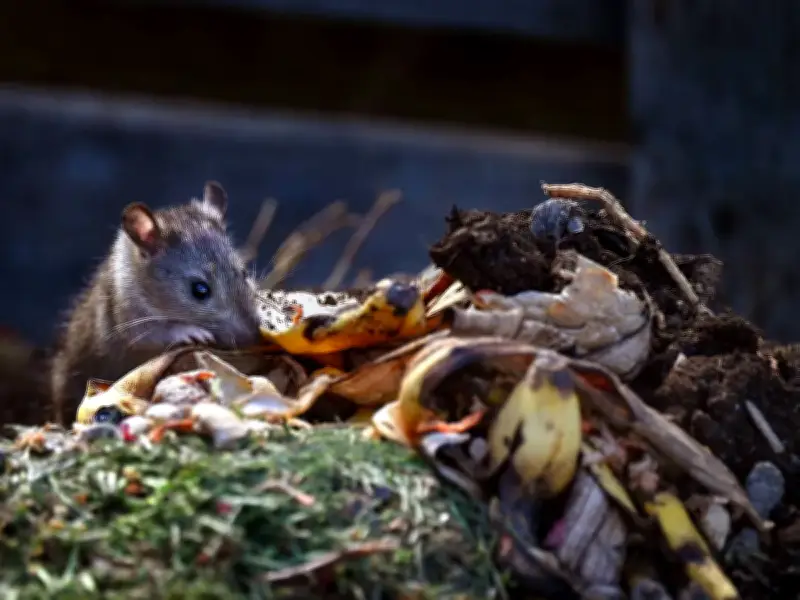
Monty Don and Alan Titchmarsh have shared advice on preventing rats from entering gardens, with the key focus on how compost heaps are maintained. According to the gardening experts, compost heaps are one of the main garden features that draw rats in, particularly during autumn when the pests seek food, warmth and shelter.
Why compost heaps attract rats
Alan Titchmarsh noted that the reason compost heaps attract rats comes down to the "heat generated by all this rotting vegetation". Following a warm summer, which has created ideal breeding conditions, autumn brings a heightened risk of infestations as rats venture into gardens.
Composting is a way of disposing of certain kitchen and garden scraps, which can boost the health of plants. By following the advice of both experts on maintaining compost heaps, gardeners can avoid attracting rats completely.
What not to add to compost
Monty Don and Alan Titchmarsh both agree that the primary thing luring rats to compost is when gardeners add three particular items. Monty urged: "Don't add meat, fats or cooked material. Particularly cooked starches like potato or rice or pasta."
Similarly, Alan instructed: "Don't put processed food, anything you have cooked, any meat, or any potatoes. Don't do that because it's just an absolute open invitation for rats."
In a compost heap, a mix of brown and green material is recommended. Greens are fresh materials with higher amounts of readily available nitrogen, including fruit and vegetable peels or scraps, coffee grounds, tea bags, and grass clippings. Browns are carbon-rich materials with a semi-woody or woody texture, such as cardboard and twigs.
For meats and cooked foods, the advice is to put them in a food waste bin. Cooking oils can be poured into a container, sealed, and taken to a local recycling centre.
Keep compost covered
Monty Don and Alan Titchmarsh also advise keeping compost covered to deter rats, particularly during the autumn and winter months. Gardeners should ensure there are no gaps or holes that rats can squeeze through.
One method is to use a large container and cover the top with a concrete slab, leaving no nooks or crannies for rats to wriggle into. As well as keeping rats at bay, covering the materials allows waste to heat up quickly, speeding up the composting process. It also keeps out heavy winter rainfall, which can chill or waterlog the compost.
Other ways to keep rats out
Tidy gardens are less likely to draw in rats, as they offer less cover, but an overly neat garden could be less welcoming for wildlife such as hedgehogs. Keeping the grass fairly short, clearing out cluttered storage areas, getting rid of rubbish and cutting back overgrown patches, particularly near fences and sheds, can help.
Rubbish can be an easy food source for rats. Waste should be stored in tightly sealed bins and disposed of regularly, being careful not to leave bin bags or food waste outside for extended periods of time.