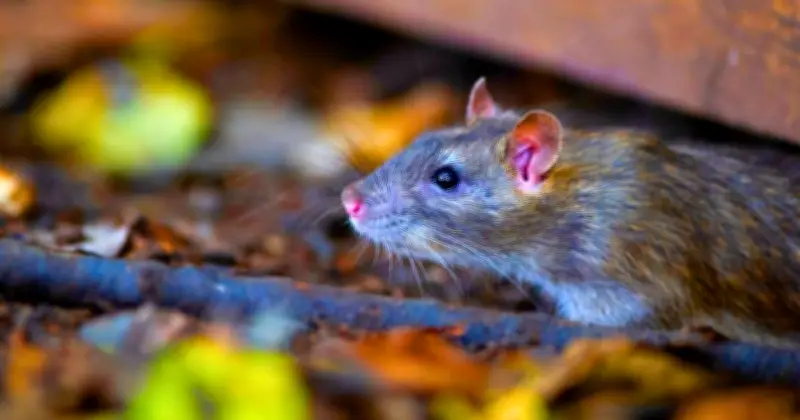
Garden sheds can become a prime winter hideaway for rats, but three simple tasks can help keep these unwanted pests away before colder weather arrives. Rats typically start entering sheds in late November as nighttime temperatures drop sharply, seeking warm shelters to nest in. Sheds are especially attractive because most people rarely visit them in winter, allowing rats to move about undisturbed and often become infested if left unchecked.
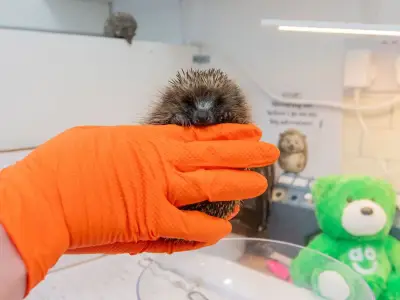
Setting traps is often not enough once it gets really cold, and poison is not recommended as it can harm pets or local wildlife such as hedgehogs, foxes, or birds. Instead, taking preventative steps now to stop rats from entering sheds is far easier than dealing with an established infestation.
Remove food sources from the shed
One of the biggest reasons rats enter sheds is the presence of bulbs and seeds. Gardeners commonly store plant seeds in sheds over winter, but these can become an easy food source for rats and encourage them to settle nearby. The best way to keep rats away is to remove any bulbs, plant seeds, grass seeds, compost, and other food sources they might enjoy.
Bird seed should also be stored elsewhere at this time of year, along with materials rats can use for nesting, such as old cardboard boxes. If there is nowhere else to store these items, keeping them in metal containers with tight-fitting lids should help prevent rats from entering the shed.
Seal gaps and tidy up
Rats can squeeze through very small holes, needing only a gap of 6mm to get inside. Inspecting the shed now for small holes or gaps and blocking them quickly is one of the most effective ways to keep rats out. Check the shed door, vents, and the base, as these are the most obvious entry points.
Wire mesh or steel wool is best for sealing gaps, as rats cannot bite through these materials, though they can chew through flimsy plastic or foam. Overgrown plants nearby should also be cut back, as rats can climb them to reach a shed roof or window.
Avoid disturbing a suspected infestation
If a rat problem is suspected, cleaning up the shed or making noise to drive them away may seem obvious. However, rats prefer quiet, undisturbed shelters, and if they sense humans nearby, they are likely to move further into the garden. In winter, this can spread the problem, as rats will seek the next warm place and may enter the home rather than stay in the shed.
Keeping belongings organised and boxes on shelves helps eliminate hidden corners where rats can nest. Once it gets cold, avoid moving heavy boxes that could disturb a nest. If a rat problem is suspected, contacting local pest control is advised, as they know the most effective way to set up traps.