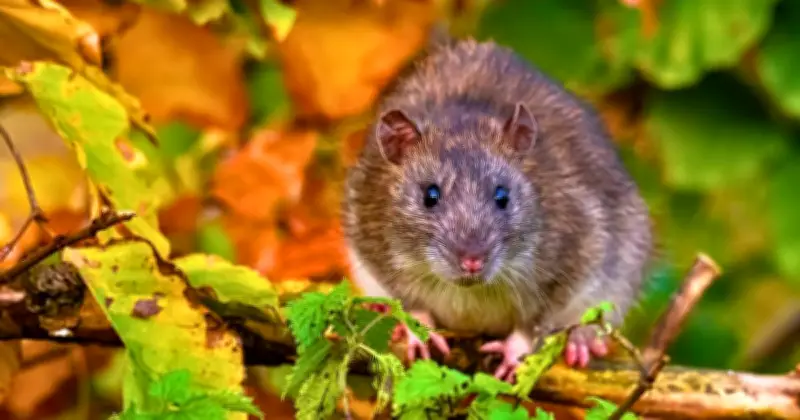
As temperatures drop, rats become the main pests entering gardens, drawn by the search for food, warmth, and shelter. Following a warm summer that created favourable breeding conditions, autumn brings an increased risk of infestations.
According to Monty Don and Alan Titchmarsh, one of the main garden features attracting rats is compost. Alan noted that the reason is the “heat generated by all this rotting vegetation.” Composting is a useful way to dispose of kitchen and garden scraps, which can make plants healthier, but proper maintenance is key to avoiding rodent problems.
What to Avoid Adding to Compost
Monty Don and Alan Titchmarsh agree that the main thing attracting rats to compost is when gardeners add three specific items. Monty urged, “Don’t add meat, fats or cooked material,” he said. “Particularly cooked starches like potato or rice or pasta.”
Similarly, Alan instructed, “Don't put processed food, anything you have cooked, any meat, or any potatoes. Don't do that because it's just an absolute open invitation for rats.”
Maintaining a Balanced Compost Heap
In a compost heap, a good mix of brown and green material is recommended. Greens are fresh materials with higher amounts of readily available nitrogen, including fruit and vegetable peels or scraps, coffee grounds, tea bags, and grass clippings. Browns are carbon-rich materials with a semi-woody or woody texture, such as cardboard and twigs.
For meats and cooked foods, the advice is to add them to a food waste bin. Cooking oils should be poured into a sealed container and taken to a local recycling centre.
Keeping Compost Covered
Monty Don and Alan Titchmarsh also advise keeping compost covered to deter rats, especially during autumn and winter. Ensuring there are no gaps or holes rats can squeeze into is essential.
One practical method, when not using a traditional compost bin with a perfect-fitting lid, is to use a large container covered with a concrete slab. This leaves no nooks or crannies for rats to enter. Covering the materials also allows waste to heat up quickly, compost faster, and keeps out heavy winter rains that can chill or overly wet the compost.
Other Ways to Keep Rats Out of the Garden
Tidy gardens are less likely to attract rats, as they provide less cover, though an excessively neat garden could be less hospitable for wildlife such as hedgehogs. Keeping the grass relatively short, clearing cluttered storage areas, removing rubbish, and reducing overgrown areas, especially near fences and sheds, can help.
Rubbish can provide an easy food source for rats. Storing waste in tightly sealed bins and disposing of it regularly, without leaving bin bags or food waste outside for long periods, is also recommended.