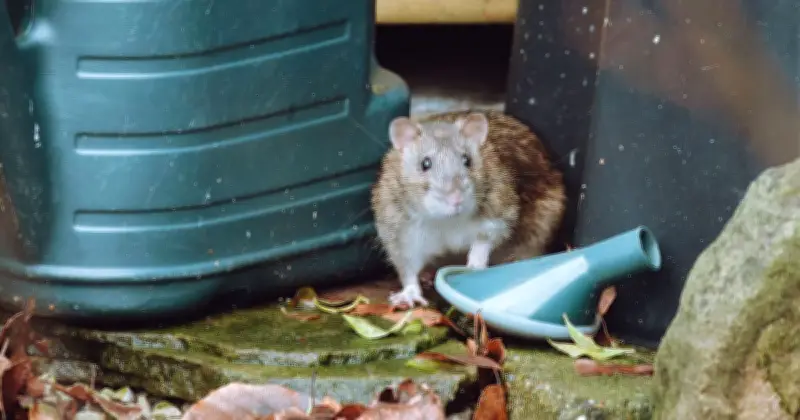
As summer temperatures rise, pest experts are warning homeowners to stay alert for increased rat activity around gardens, sheds and outdoor spaces. Rats become more active during warmer months as food sources become more accessible, particularly in residential areas where bins, bird feeders and compost bins can attract unwanted attention. However, experts say one strong household smell may make gardens and homes less appealing to rodents: peppermint oil.
Why Peppermint Oil Works as a Deterrent
According to pest professionals, rats dislike peppermint oil because of its strong smell, and some homeowners use it as a natural deterrent around entry points and outdoor areas. John Whiteley Wilkinson from Acorn Environment Services explained that while natural deterrents may help reduce activity, prevention remains the most important step. John said: “Rats are constantly searching for food, water and shelter, especially during summer when outdoor activity increases. Strong smells such as peppermint can sometimes help discourage rats from lingering in certain areas, but homeowners should focus primarily on removing anything that attracts them in the first place.”
How to Use Peppermint Oil to Repel Rats
Experts recommend soaking cotton wool balls in peppermint oil before placing them near sheds, bin storage areas, garden decking, entry points around pipes, and garages or outbuildings. Homeowners are also being advised to keep outdoor bins tightly sealed, avoid leaving pet food outside overnight, clean underneath bird feeders regularly, trim overgrown vegetation, and block holes and gaps around properties.
Signs of Rat Activity
John warned that rats can squeeze through surprisingly small spaces and are highly adaptable in their search for shelter. He continued: “People often underestimate how quickly rats can settle near a property if food and hiding places are available. Even small amounts of waste food or cluttered outdoor areas can encourage activity.” Experts say common signs of rat activity may include droppings, scratching noises, gnaw marks, burrows near sheds or fences, and damaged bin bags.
When to Call a Professional
While peppermint oil and other strong scents may help as part of wider prevention measures, persistent infestations should always be professionally assessed. “If homeowners notice repeated signs of rat activity, it’s important to deal with the issue early before populations increase,” John added.