For the first time in at least six months, official statistics show a decline in the number of refugees in homeless accommodation and hotels in Glasgow, indicating that the influx may have peaked. Data from Glasgow City Health and Social Care Partnership, up to May 15, reveals 125 fewer homeless refugees in temporary housing and 107 fewer in council-funded hotels and B&Bs compared to March 30.
Drop in Refugee Numbers
As of May 15, 5,845 refugees with leave to remain in the UK were in temporary accommodation in Glasgow, down from 5,970 on March 30. The number in emergency hotels and B&Bs fell by over 5% from 2,030 to 1,923, marking the lowest level since January. Campaigner Sean Clerkin, who obtained the data via freedom of information, said: “These homeless statistics overall reflect a major crisis in Glasgow. But for the first time in a long time there has been a real drop in the number of refugees in temporary accommodation and reduced numbers of refugees in hotels / bed & breakfast accommodation. Therefore it could be that we have passed the peak in numbers of refugees coming to Glasgow.”
Wider Homelessness Crisis
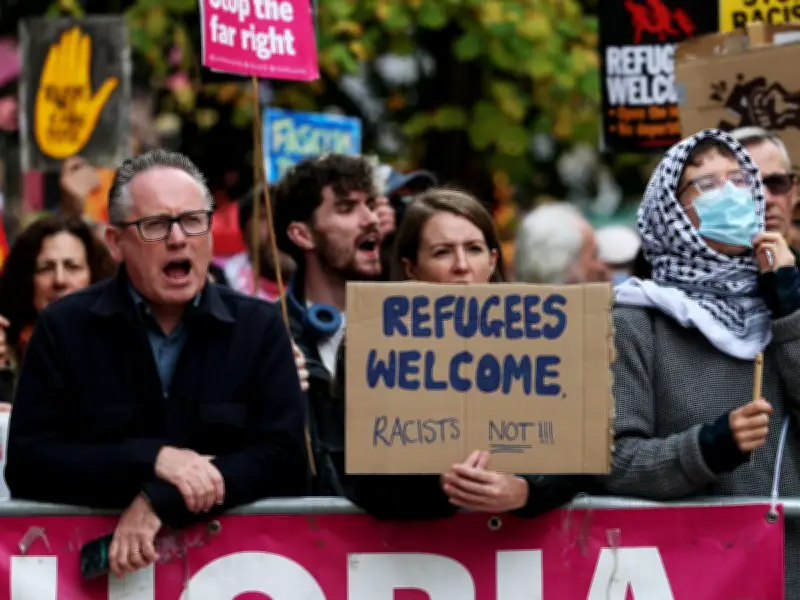
Despite the drop, Glasgow continues to face a housing and homelessness emergency. Rough sleeping has tripled, and 3,248 children remain in squalid temporary housing. The refugee surge has strained services, sparking right-wing protests outside supposed “asylum hotels.” The Home Office has more than halved its asylum claims backlog since 2024, while net migration fell by about 50% in a year to 171,000, down from a peak of 944,000 in early 2023—the so-called “Boriswave” after Boris Johnson’s 2021 Brexit deal.
Political Reactions
Glasgow City Council has criticised the UK Government’s policy of emptying asylum hotels, which shifted costs to the city. At one point, refugees accounted for half of all homeless applications. UK ministers recently ramped up plans to house thousands of asylum seekers in military barracks, opposed by refugee charities. SNP Glasgow City Council leader Susan Aitken said: “We need to be cautious about reading too much into these figures. Cities across the UK are still experiencing a major refugee homelessness crisis, due to the Home Office’s decision to effectively abandon people at the point where they are granted asylum in this country. That policy is putting huge stress on local authorities and it demands a proper response – backed up with resources - from the UK Government.” A Home Office spokeswoman responded: “These figures vindicate our approach to restore control to our borders to ease the pressure on public services and local communities.”