
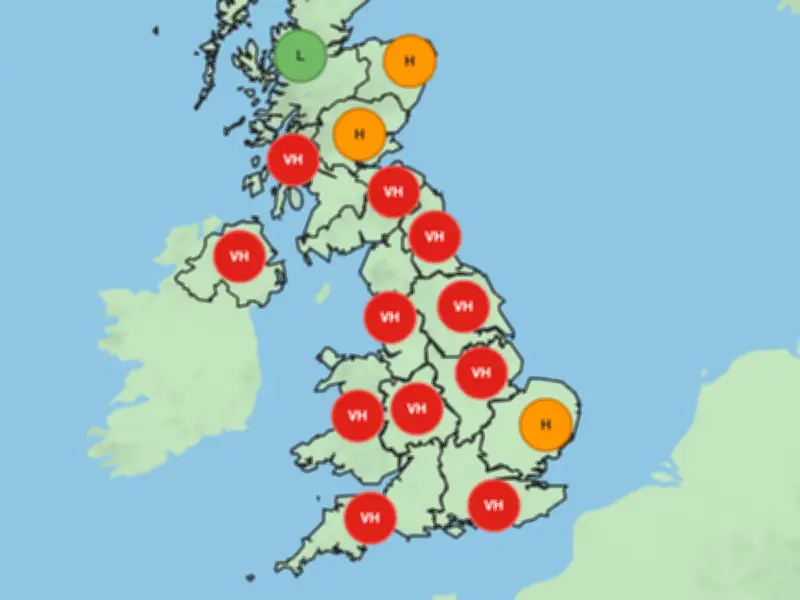
Health specialists are warning Scottish homeowners to shut windows by 6pm as nine red pollen alerts have been issued across the UK, including four in Scotland. The alerts, from the Met Office, signal some of the most intense pollen levels of the year. Areas affected include Dumfries, Galloway, Lothian & Borders, and Strathclyde, with Central, Tayside & Fife, and Grampian placed under amber alerts.
Why Closing Windows at 6pm Helps
As temperatures rise and pollen counts spike, millions of hay fever sufferers struggle with symptoms that worsen at night, including restless sleep, blocked noses, and irritation. Sleep experts from Emma Sleep, in partnership with sleep consultant Dr Allie Hare, recommend closing bedroom windows by 6pm to prevent pollen from entering as the air cools and pollen particles settle.
Dr Allie explains: "Hay fever can be very disruptive for sleep at this time of year, with a blocked nose making breathing more difficult, itchy eyes preventing you from falling asleep, and a runny nose irritating the back of your throat and making you cough." She advises closing windows as soon as temperatures drop in the evening to keep pollen out.
Additional Sleep Tips for Hay Fever Sufferers
Dr Allie also advises against sleeping on your front, as this can worsen congestion. Instead, she recommends elevating your head with an extra pillow or wedge pillow and lying on your back to reduce sinus pressure and ease breathing. If back sleeping is not possible, side sleeping is preferable, but front sleeping should be avoided.
Taking antihistamines or other medication right before bed can help ease symptoms. Dr Allie states: "It goes without saying that using antihistamine medications, steroid and/or saline nasal sprays, and topical antihistamine eye drops can certainly help."
Avoid Drying Clothes Outdoors
Experts warn against drying clothes or bedding outdoors during high pollen days, as fabrics can collect allergens and bring them indoors. They recommend washing bedding regularly at high temperatures and drying items inside to reduce exposure.
Dr Allie also highlights that pollen can be brought into the home on skin and clothing: "Some allergy specialists also recommend washing your face and hands when you get home in the evening to wash away any pollen deposited on your skin during the day." Washing again before bed prevents pollen from transferring onto bed sheets and other surfaces.
Replacing bedding every two years is also recommended to prevent allergen build-up.




