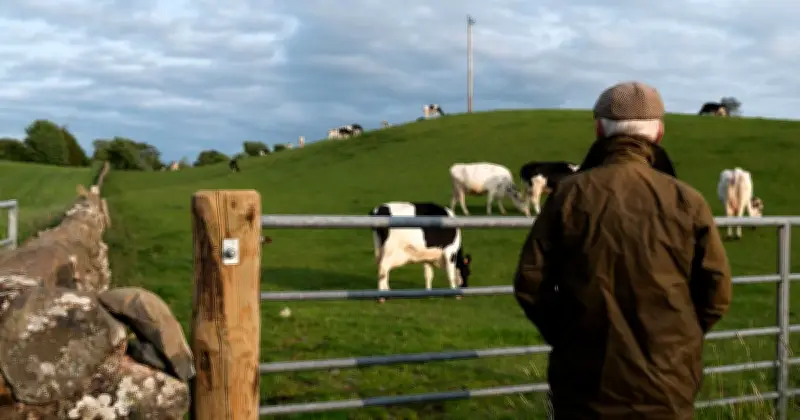
Shamonda virus has been detected for the first time in UK dairy cattle, with cases confirmed in livestock in Shropshire and Powys this week, according to the Animal and Plant Health Agency. The disease, for which there is no available vaccine, causes fever, diarrhoea, lethargy and reduced milk production, predominantly affecting cattle alongside sheep, goats and horses. It is mainly spread by biting midges.
Disease origins and spread
The virus is thought to have originated in Nigeria in the 1960s, and cases were reported in Germany and Switzerland this June, according to the World Health Organisation (WHO). The WHO said shamonda virus can also cause birth defects and abortions in newborn cows when their mothers have been infected during pregnancy.
Rob Hall, clinical director of LLM Farm Vets in Whitchurch, warned that farmers might not realise their animals had been infected until calving season, when they may either miscarry or "give birth to deformed offspring" including with "spinal defects and brain disorders".
Climate and control measures
Mr Hall added that climate change could accelerate the infection rate in Europe, as warmer winters see midge populations "expand and persist". "Shamonda virus has been known to circulate in North Africa and southern Europe, like Turkey," he said. "It has leapt into northern Europe this summer and then made it over to the UK."
Tim Downes, who has 300 dairy cows in Longnor, south Shropshire, said the disease is being "monitored" in the UK. "The main method of control will be in good animal practice, so keeping flies away from cows, good management of hygiene and those sorts of avenues," he told the BBC.
Official response
The Animal and Plant Health Agency said the disease is "not a notifiable or reportable disease", with its arrival in the UK "not unexpected". "There is currently no evidence to suggest that additional disease-control measures are required," it added.
However, it said the situation is being monitored by the UK Government, with the appropriate response under review "as further evidence becomes available". Livestock farmers were also urged to monitor their animals for any signs of the virus and contact a vet with any concerns.