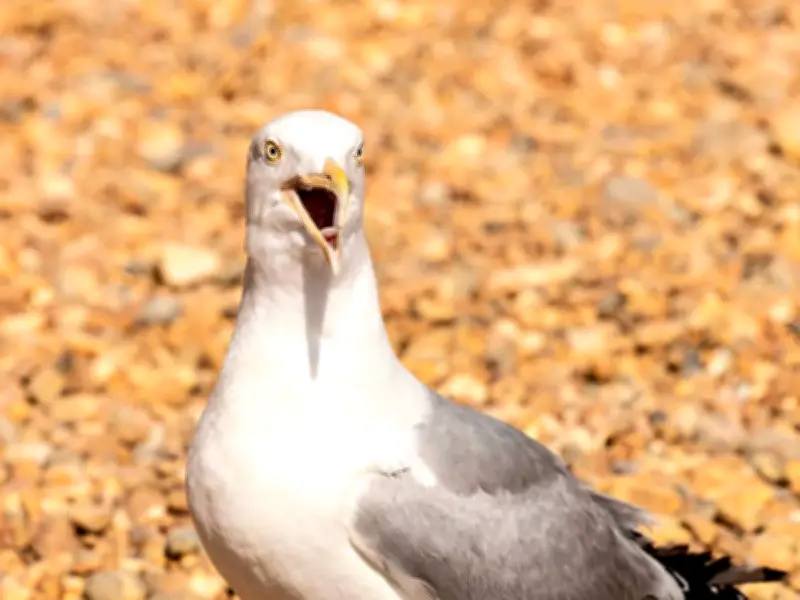
Seagulls in Suffolk coastal towns have been observed staggering and swaying, with experts theorizing that the birds may be getting 'drunk' after consuming large quantities of flying ants. The ants, which have become active during the current heatwave, release formic acid as a defense mechanism when threatened.
Observed Behavior in Suffolk
Residents in Lowestoft and Aldeburgh have reported seeing seagulls wobbling on pavements and roads, appearing disoriented and unsteady. Dr Viola Ross-Smith from the British Trust for Ornithology suggests that the formic acid overload from the ants could be causing the birds to act intoxicated, similar to the effects of ethanol in humans.
“Ants produce formic acid and because it's a mild toxin, the gulls can act a bit woozy and come across as drunk,” Dr Ross-Smith explained. “The hypothesis is the formic acid is affecting them as ethanol affects us.”
Flying Ant Activity
Flying ants are particularly active in mid-July when new colonies form as queens emerge from underground. The seagulls are taking advantage of this abundant food source, gorging on the insects. Dr Ross-Smith noted that the birds might also be so distracted by the food that they are not paying attention to their surroundings, or they could be overwhelmed by the sheer quantity of ants.
“You do see blankets of gulls walking in the road and staggering around on the pavement, getting in the way of cars. Usually they're bold birds who don't shy away from humans,” she said.
Public Advice
Dr Ross-Smith advised the public not to worry if they spot a dazed bird, but to seek assistance if a gull appears unwell. “They're taking the opportunity to gorge on the insect protein. We're happy to let nature get on with it,” she added.
Broader Climate Context
The incident comes amid warnings from experts that climate change may lead to shifts in wildlife patterns. Oceanographer Jim Dale, founder of British Weather Services, noted that rising sea temperatures could bring species like great white sharks and box jellyfish to UK waters. “We're bound to see species die, and species pop up that ordinarily weren't there before,” Dale said. He added that cod are moving north for colder waters, while jellyfish are thriving in warmer conditions.