
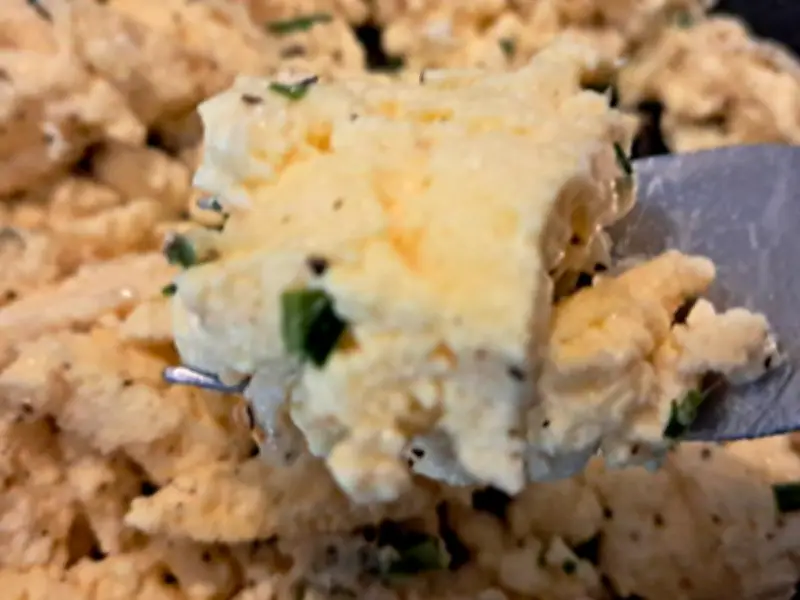
Scrambled eggs are the ultimate comfort food, whether you're after a satisfying breakfast or simply fancying something quick and effortless for your evening meal. While they're difficult to get wrong, it's easy to end up with a runny or tasteless result if you don't use the correct ingredients.
Why Milk Falls Short
Milk is commonly used to make scrambled eggs, as many people believe it produces a richer flavour, but it actually introduces too much water into the frying pan. Eggs already have a high water content, meaning milk tends to dilute the taste, and once that liquid converts to steam, it can leave them rubbery and overdone rather than soft and silky.
The Secret Ingredient: Sour Cream
For those who enjoy cooking scrambled eggs on leisurely mornings, it's worth knowing they turn out far superior without milk — using sour cream instead makes a remarkable difference. Sour cream contains fat just as milk does, but its considerably thicker consistency makes scrambled eggs creamier rather than watering them down.
Egg proteins tend to cook extremely rapidly, which is frequently what causes scrambled eggs to burn, but sour cream can coat these proteins so they cook at a slower pace. This not only prevents scrambled eggs from drying out or becoming singed, but it helps to soften them so they turn out wonderfully tender.
It also lends a subtle tanginess to the scrambled eggs, which complements the flavour and makes them taste richer without the need for excessive seasoning. I initially discovered this cooking method from my Mum and it's now the sole way I prepare scrambled eggs, as it's the simplest approach to guarantee they achieve the finest texture.
How to Make Better Scrambled Eggs
You will need:
- Two to three large eggs
- One heaped tablespoon of sour cream
- A slab of butter
- Parmesan cheese (optional)
- One teaspoon of chives (optional)
- Salt and pepper
It's preferable to use butter when cooking scrambled eggs as it will enhance their flavour, but exercise caution since butter has a low smoke point, meaning it scorches quite readily. Ensure you only use a modest amount of butter for cooking, otherwise you'll end up with burnt fragments in your scrambled eggs. I also enjoy using truffle or garlic butter, chives and parmesan cheese to make my scrambled eggs more luxurious, though this is entirely optional.
Method:
- Begin by cracking the eggs into a small bowl and incorporating the sour cream. Whisk with a fork until the mixture becomes smooth, pale yellow, and lightly frothy. Refrain from seasoning the eggs at this point, as premature salting can compromise the proteins and heighten the likelihood of a rubbery consistency.
- Next, place a small knob of butter in a frying pan over low to medium heat. Once the butter has completely melted and is softly foaming, pour in the eggs. Allow the mixture to sit undisturbed for approximately a minute, until the edges just start to set.
- Then, using a silicone spatula, gently push the eggs from the edges towards the centre, permitting soft curds to develop. When the eggs are nearly set but remain slightly glossy, add the Parmesan, chives, salt, and pepper. Cook for an additional 30 seconds, then remove the pan from the heat.
- The remaining heat will complete the cooking process. Allow them to sit for a minute before transferring to a bowl or placing on buttered toast. Your scrambled eggs ought to be creamy and soft, with beautifully large, fluffy curds.




