Rwanda Deploys Satellite Surveillance and Penalties to Preserve Farmland in Densely Populated Capital
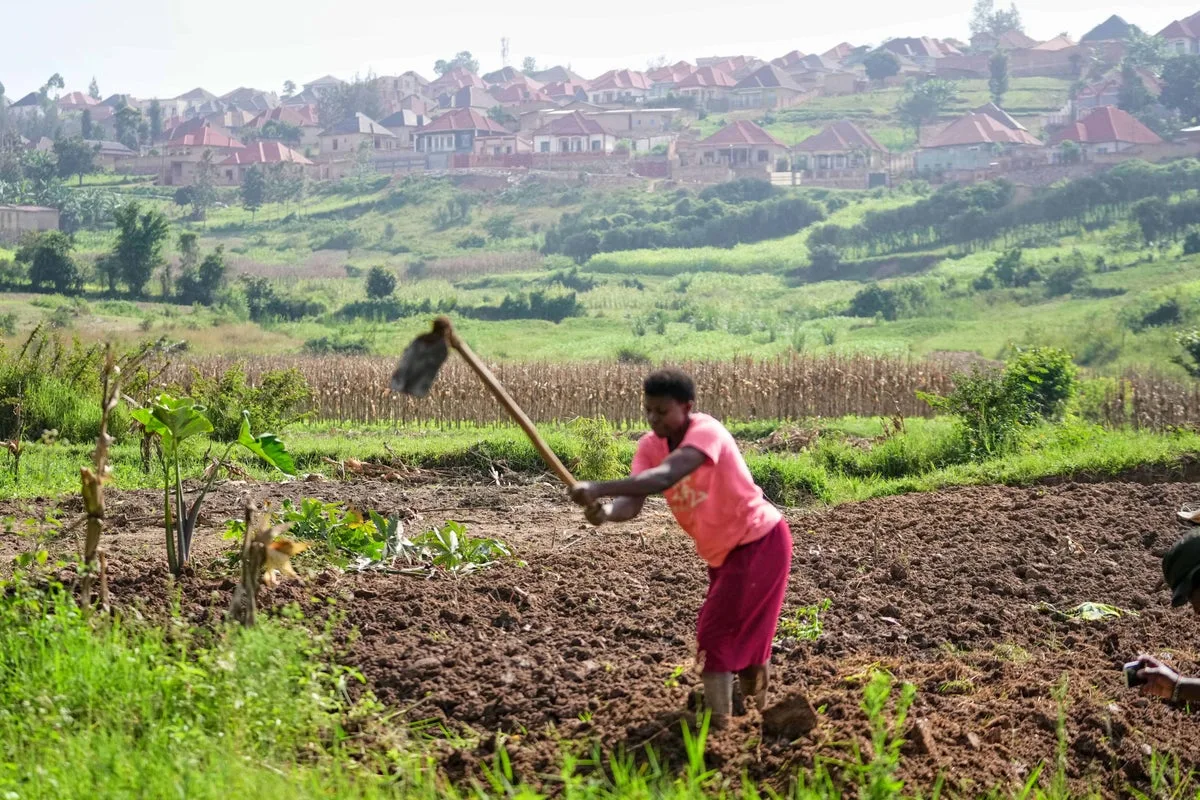
In Rwanda, the rhythmic sounds of construction often drown out the steady thud of farmers' hoes on chilly mornings in the capital, Kigali. This auditory clash underscores a critical national challenge: protecting remaining agricultural land from relentless urban development in Africa's most densely populated country. As the population is projected to reach 22 million within a few years, the government has initiated robust measures to ensure food security.
Strict Enforcement and Technological Monitoring
Since September, Rwandan authorities have been mapping agricultural land using satellite imagery to track any encroachment on farmlands and forests. The government has imposed severe penalties, including fines of up to $3,000 and jail terms of up to six months for developers found violating these protections. In some cases, buildings in Kigali have been demolished, though individuals associated with them declined to comment due to fears of government retaliation. Plans are underway to incorporate drones for enhanced real-time monitoring, further tightening oversight.
Urban Farming Initiatives and Land Allocation
According to land use data from the mayor's office, the Kigali master plan has allocated nearly a quarter of land—specifically 22%—to agriculture. City authorities acknowledge the allure of housing construction driven by high demand but emphasize that future projections indicate farming will become even more productive. They argue that with innovation, food can be grown efficiently on smaller plots. Emma-Claudine Ntirenganya, a spokeswoman for the mayor's office, highlighted that while most food consumed in Kigali comes from other Rwandan districts, farmland in those areas is also shrinking. She advocates for "going into agriculture in an urban way," encouraging residents to adopt productive farming practices.
Innovative Agricultural Solutions
To adapt to limited space, Kigali is exploring cutting-edge farming techniques. The city administration requires developers to include green spaces and gardens in building designs and has set up a greenhouse on its own roof. Vertical farming is gaining traction, with companies like Eza Neza (meaning "grow well") installing stackable plastic containers for growing vegetables and fruits such as strawberries. Christian Irakoze, co-founder of Eza Neza, described this approach as scalable and modular, allowing anyone to participate in farming. He emphasized using locally available inputs like manure and volcanic sediment to reduce dependence on external resources, stating, "We really have to find ways to find our own solutions... Some of these global events are always a reminder that we should definitely have some alternatives."
Training and Sustainability Efforts
Elsewhere in Kigali, young agronomists are training farmers to adopt technologies like hydroponics, which uses water instead of soil to maximize productivity. Richard Bucyana, one of these agronomists, noted, "The population is increasing, yet our land is not increasing. We make sure that we find solutions that can help farmers to overcome that, and then they produce more." He agreed that Rwanda's strategies help buffer against global events, such as rising fertilizer prices linked to international conflicts, and urged African governments to prioritize self-sustainability.
Personal Stories Highlight the Struggle
The human impact of land loss is poignantly illustrated by individuals like 84-year-old Mukarusini Purisikira. After fleeing to Congo during the 1994 Rwandan genocide, she returned to find her family's expansive hillside land taken for construction. Now, she cultivates maize and sweet potatoes on a plot barely large enough to feed herself, gazing warily at nearby construction equipment. Her story underscores the urgency of Rwanda's protective measures, as she reflects, "It is all I have." These efforts aim to prevent such displacements and secure a sustainable future for the nation's farmers.






