
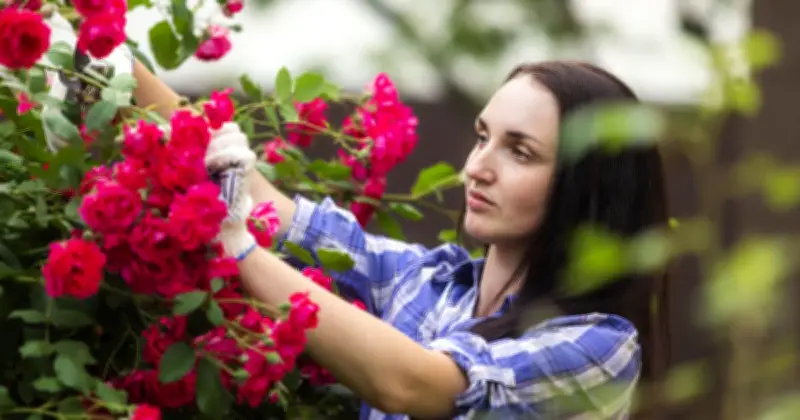
UK gardeners with roses are being urged to complete two key tasks before Wednesday to ensure their plants produce more flowers throughout the summer. According to gardening experts at Ideal Home, the most important job is to give roses their summer feed, as they are heavy feeders that benefit from additional nutrients after their spring blooms.
Feeding Roses Before July
Experts recommend applying a rose fertiliser now, as roses that have not been fed since spring may struggle to produce further flowers. Before feeding, the soil should be watered well so that it is moist, as moist soil absorbs nutrients better and reduces the risk of root scorch. Liquid feed should be applied around the base of the plant, not over the leaves.
Feeding roses now can encourage more flowers throughout the summer and help plants stay healthy and full of colour. The task only takes a few minutes, but leaving it too late could mean missing the best time to support the plant's growth.
Deadheading Repeat-Flowering Roses
In addition to feeding, experts say that removing faded flowers regularly throughout June and July is crucial. Deadheading repeat-flowering roses encourages the plant to produce fresh shoots, which will develop into more flower buds later in the season. The whole flower head should be removed, not just the petals.
Deadheading is a simple job that can be done while checking the plant for other issues. It helps redirect the plant's energy into new growth rather than seed production.
Watering and Mulching Tips
Roses also need plenty of water during dry spells. Experts advise watering early in the morning, directing water onto the soil around the base rather than onto the leaves or flowers. This allows the roots to absorb moisture before the hottest part of the day.
Adding a layer of mulch around the base of the plant can also help. Mulch keeps the soil cooler, holds onto moisture, and reduces weeds that compete for water and nutrients. However, the mulch should not touch the stem to avoid rot.
Pest and Disease Checks
Finally, experts recommend checking roses regularly for aphids, sawfly larvae, and signs of black spot. Catching problems early makes them easier to deal with. Aphids can often be removed with a jet of water or by hand, while leaves infected with black spot should be removed and cleared away from the plant to prevent spread.
By completing these tasks before Wednesday, gardeners can help their roses thrive and produce more flowers throughout the rest of summer.




