Act Now to Avoid a Summer of Weeds
Gardeners are being urged to tackle weeds before July arrives, with one gardening expert warning that delaying action could leave homeowners battling invasive plants, stubborn roots and increased pollen levels throughout the summer. According to Ashleigh Bradshaw, Lawn Expert at Hayter, many gardeners wait until July to deal with weeds, but by then the problem is often far more difficult to control.
"Most gardeners tackle weeds in July. By then, the roots are deep, the pollen is everywhere, and the battle is already half-lost," Bradshaw said.
Weed Pollen Season and Health Concerns
The warning comes as the UK's weed pollen season begins, running from the end of June through to September. Weeds are considered the longest-lasting trigger of hay fever, raising concerns for the more than 10 million people across the UK who suffer from seasonal allergies.
Bradshaw said late spring and early summer provide the best opportunity to get ahead of the problem, as weeds are only just beginning to emerge and their root systems remain relatively weak.
"Weeds start to emerge in late May and June, depending on the weather, before they fully mature," she said. "This makes late spring and early summer the ideal time to start seeding, mowing, and fertilising – in that order. Consistent lawn care helps create a healthier lawn, which is harder for weeds to grow in."
Effective Weed Removal Methods
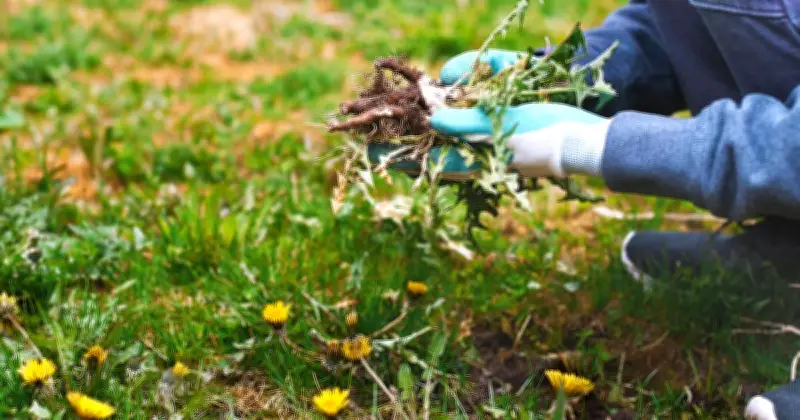
Removing weeds before they become fully established can significantly reduce the amount of work required later in the season. Bradshaw recommends physically removing weeds while roots are still weak, either by hand or with tools such as a weed fork, which can help extract deeper roots without causing unnecessary damage to surrounding grass or plants.
While some gardeners may be tempted to reach for chemical treatments, Bradshaw cautioned against relying too heavily on weedkiller. "Weedkiller should be avoided where possible, as it can cause damage to lawns, soil and surrounding plants," she said.
She added that many general-purpose weedkillers, including some natural remedies, are non-selective and can damage healthy plants alongside unwanted weeds. "General weedkillers, and even some natural options, such as vinegar, are non-selective, meaning they won't differentiate between weeds and the plants you want to keep," she said.
Common Lawn Care Mistakes to Avoid
The expert also highlighted several common lawn care mistakes that can encourage weed growth rather than prevent it. One of the biggest is cutting grass too short as temperatures begin to rise.
"Cutting grass too short in early summer can weaken your lawn and give weeds the perfect conditions to spread as temperatures continue to rise," Bradshaw said.
She advises gardeners to keep mower blades slightly higher during summer and to avoid removing more than one-third of the grass length in a single cut. Longer grass helps shade the soil, making it more difficult for dormant weeds to thrive.
Another mistake often made by homeowners eager to improve their lawns is overseeding without first removing existing weeds. According to Bradshaw, scattering grass seed over weedy areas can prevent healthy grass from establishing properly and leave lawns looking thinner as summer progresses.
"If grass seed is scattered over existing weeds or not given enough room to grow, it will struggle to germinate and establish properly," she said. "This can leave thin or patchy areas in the lawn, and weeds will become even more noticeable as summer approaches."
Instead, she recommends removing or spot-treating weeds before introducing new seed and following a routine of seeding, mowing and fertilising to encourage thicker, healthier grass.
Reap the Rewards of Early Action
With summer gatherings and outdoor entertaining season now underway, Bradshaw said gardeners who act quickly will reap the rewards later in the year. "Stopping weeds from establishing themselves now, before the thick of summer, will save a lot more effort in the months to come," she said.
For homeowners hoping to spend their summer enjoying their gardens rather than fighting weeds, experts say the message is clear: tackle the problem now before the window closes.