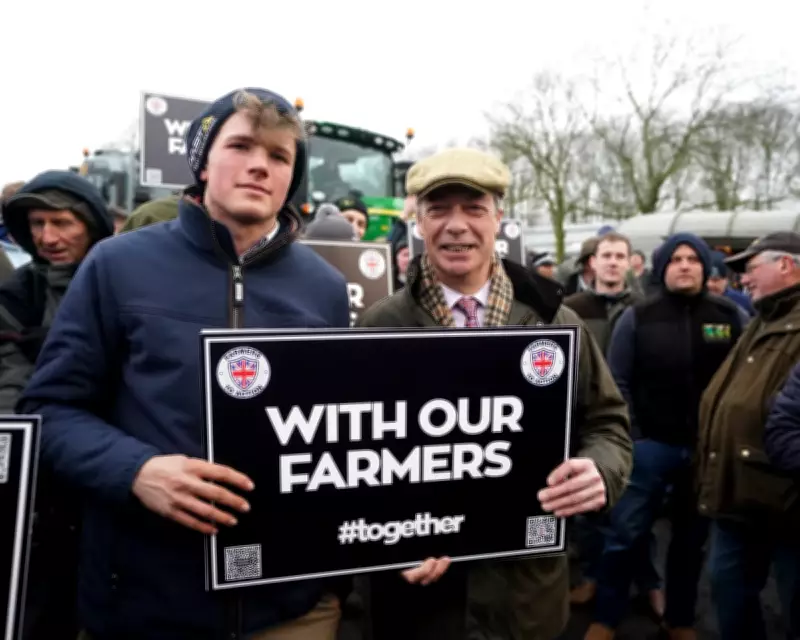
Nigel Farage, the leader of Reform UK, has been actively engaging with rural communities, notably joining farmers at a London rally last year to protest against changes to inheritance tax rules. This move underscores the party's concerted effort to court the agricultural vote, particularly as farmers face mounting financial pressures, with a third reportedly failing to turn a profit in 2024.
Adviser's Controversial Proposal
Clive Bailye, an arable farmer and campaigner appointed as Reform UK's farming and land use adviser, has called for a dramatic increase in wheat prices through strategic trade policy adjustments. In a post on The Farming Forum, a social network he owns, Bailye asserted that political will could "double wheat price over night," framing it as a straightforward solution to bolster British agriculture.
Critics Warn of Escalating Food Costs
This proposal has ignited significant backlash from critics who argue it would exacerbate the ongoing cost-of-living crisis. Food prices in the UK have already surged by 38.6% between November 2020 and November 2025, driven by factors such as pandemic-related inflation and geopolitical tensions, including Russia's invasion of Ukraine and the war in Iran, which is spiking fertiliser costs.

Campaigner and author Guy Shrubsole expressed alarm, stating, "I find it pretty extraordinary that Reform's farming adviser wants to double the price of wheat – and hence bread – in the midst of a cost-of-living crisis." He further criticised Reform UK's broader policies, such as importing chlorinated chicken and promoting fracking, suggesting they would be detrimental to both the countryside and the nation.
Policy Development and Internal Dynamics
Bailye has been collaborating with James Orr, Reform UK's policy chief, to draft the party's farming policy for its upcoming general election manifesto. He claims "significant influence and input" in shaping agricultural policies, emphasising that farmers are leading the direction of rural policy, with economists and lawyers merely assessing feasibility.
However, Reform UK has sought to distance itself from certain associations, notably after backlash from farmers over nature policy advice from rewilding campaigner Ben Goldsmith. The party publicly disavowed Goldsmith following disagreements over reintroducing locally extinct animals.
Political Reactions and Party Stance
Tim Farron MP, the Liberal Democrats' environment spokesperson, condemned the proposal, arguing it would spike feed costs for livestock farmers and trigger retaliatory tariffs that could block British lamb and beef from global markets. He accused Reform UK of lacking a genuine understanding of farming, warning it would lead to even higher food prices for consumers.
In response, a Reform UK spokesperson clarified that Bailye is one of many contributors to policy development and that the party does not support measures to increase consumer food prices. They criticised previous governments for damaging farmers through trade policies that favour cheaper imports, pledging a "fair trade agenda" to enhance food security and support farmers' livelihoods under a future Reform UK administration.
The spokesperson stressed that policy is collectively developed under Orr's guidance and formal party processes, with no single external contributor determining final decisions. This statement aims to mitigate concerns over Bailye's influential role while reaffirming Reform UK's commitment to consulting widely with stakeholders in the agricultural sector.