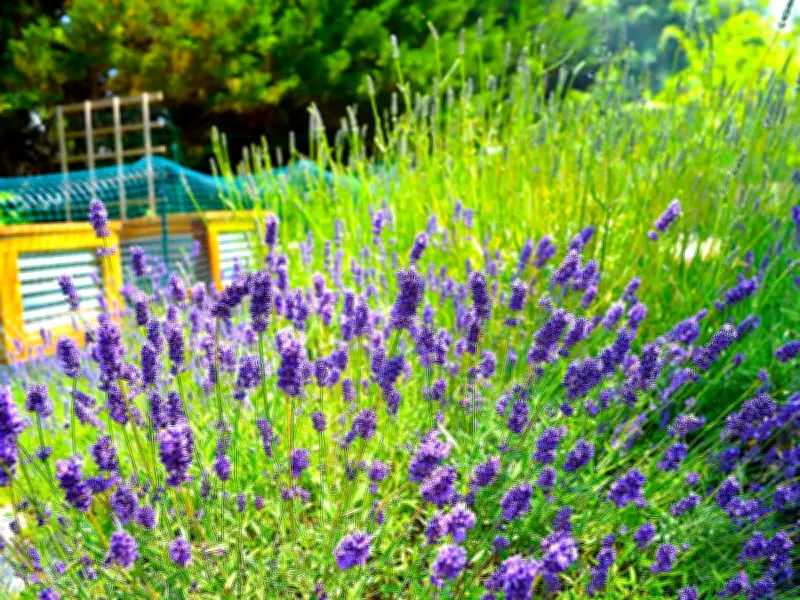
Gardeners who skip an annual 10-minute pruning task could see their lavender plants bloom for only five years, while regular trimming can help them thrive for more than two decades.
Lavender is one of Britain's most cherished garden plants, valued for its fragrant blooms, silvery-green leaves and its ability to attract bees and butterflies. Whether planted in a new garden or added to a herb collection, lavender offers both timeless appeal and practical benefits to any outdoor space.
To keep lavender tidy, thriving and full of flowers year after year, regular trimming is essential, according to multi-award-winning garden writer Val Bourne at Hopes Grove Nurseries.
Why Pruning Extends Lavender's Life
Many gardeners worry about cutting back lavender, but failing to prune it can actually shorten its lifespan. Val warned, "If you leave it untended, you'll only get five years because the plant will lose vigour." However, if pruned every year, lavender will "live for over twenty years and possibly even longer".
Pruning is a must for English lavender because it extends its lifespan, Val said. Unpruned plants can quickly become untidy and leggy, prone to flopping open and exposing unattractive, wild-looking stems that produce few flowers. Once this stage is reached, they are extremely challenging to revive, as they seldom respond well to severe pruning.
When to Prune Lavender
English lavenders "need to cut back in late summer" – before cold weather arrives. This late-summer trim encourages "a dome of new foliage to develop" by early autumn, and this thick foliage shields the plant during chilly conditions.
Val cautioned, "In severe winters, this dome of foliage may get shabby, so you may need another trim in late spring. Wait until the fear of cold weather has passed. April's normally the best time if you need to tidy it up again."
If pruning has not been done by October, experts at British Garden Centres advise a "light tidy-up as soon as possible". They instructed, "Remove all the old flower stems and trim back about 2cm of the current year's green growth to keep the plant compact and mounded, but don't cut into the old, bare wood."
Gardeners need to "finish pruning by early to mid-October at the latest, so the plant has time to harden off before the first frosts". However, if frost is imminent, "it's better to wait and do a light tidy in late February or March instead".
Experts at Gardeners Dream advise avoiding pruning altogether in October. They said, "If you cut back your lavender now, the freshly cut stems will be vulnerable to frost, which could kill your plant altogether. Your lavender can wait until springtime to be pruned to keep it well protected in the cold weather."
How to Prune Lavender Correctly
Using clean, sharp secateurs or hand shears, trim back the entire plant by 2.5 to 5cm. Lavenders flourish if pruned back fairly hard, but never cut back into old wood, as most lavender plants won't regrow from it.
Once lavender has become heavily woody, it rarely returns to its original compact shape. Always make sure there is some healthy green growth left for the plant to regenerate from.