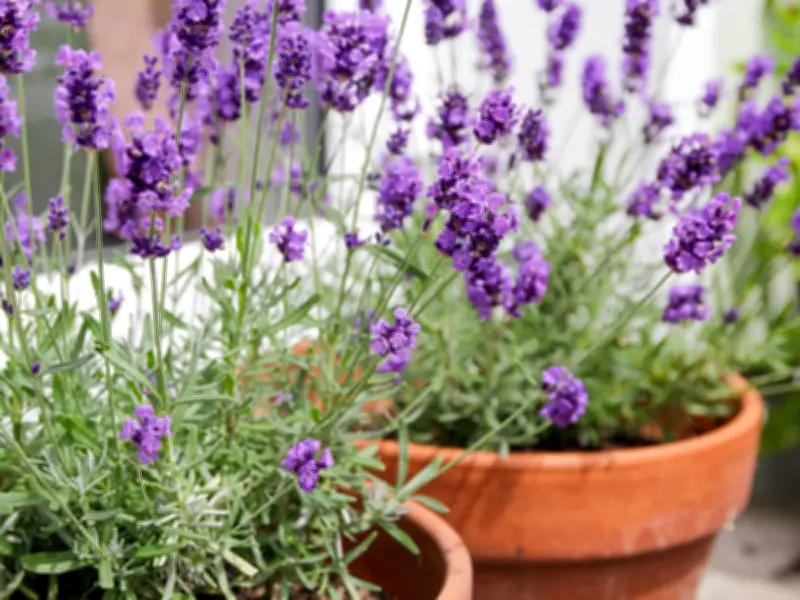
Pruning lavender at the correct time is essential to prevent the plant from becoming woody and leggy, according to gardening expert Monty Don. Lavender, a popular garden plant that attracts insects, requires annual pruning at the end of summer.
Best Time to Prune Lavender
In a blog post, Monty Don advised: "To avoid woody, leggy plants, lavender should be pruned every year. The best time to do this is as soon as the flowers start to fade, depending on the variety, which can be anytime from mid-summer to the end of September." He warned against waiting for seed heads to form or flowers to turn brown, as this reduces regrowth time before winter.
How to Prune Correctly
To maintain well-shaped lavender, gardeners should prune vigorously, ensuring some fresh shoots remain on each stem. Monty cautioned that lavender will not regenerate from bare wood, so preserving new shoots is critical. "These new shoots will grow fast and provide an attractive and healthy cover to protect the plant in winter and provide the basis of next year's display," he added.
If lavender appears worn even after cutting back, replacing the plant entirely may be advisable. Gardeners who miss the optimal pruning window should wait until the following spring, especially for less resilient varieties like French, Spanish, and Italian types.
Additional Summer Pruning Tips
Monty also recommended pruning apples and pears in July, along with rambling roses, to encourage repeat flowering. For currants—including gooseberries and red and white currants—gardeners should summer-prune by clearing congested new growth from the centre and trimming remaining new shoots by about a third. "This will let light and air into the plant, encouraging the wood to ripen and spurs to form, which will carry next year's fruits," Monty explained.