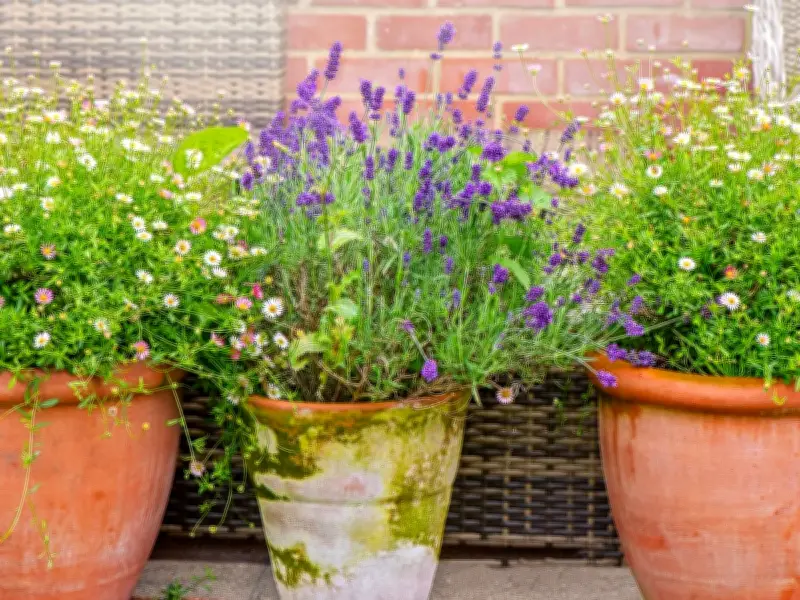
Lavender is one of the most beloved plants in British gardens, offering a stunning display and delightful fragrance. As the blooming season ends, August presents the perfect opportunity to get ahead with maintenance and give next year's blooms the best possible chance.
Why August Pruning Matters
Adam Kirtland, a gardening expert and the creative force behind View from the Potting Bench on TikTok, has revealed that August is the ideal month for pruning. Cutting back in August helps prevent the plant from turning leggy and woody, keeps it looking neat, and encourages healthy new growth to flourish the following year.
Failing to prune correctly, or at the wrong time, can result in lavender becoming straggly and woody, with little prospect of flowers in years to come. You may have already noticed that much of the foliage towards the top remains dense, yet with faded stems drooping downwards — a sure sign it's time for a tidy-up.

How to Prune Lavender in August
In a recent video, Adam said: "Whenever yours have finished flowering then it's time to cut back, but there's an important step."
When pruning lavender, it is vital to differentiate between old and new wood. The old wood will appear brown, displaying almost white foliage, while the new growth will be a vibrant green. Adam advised that gardeners should "only cut back" into "young green growth", staying clear of woody stems entirely. Trimming into the woody stems will prevent the lavender from regenerating in future seasons.
Gardeners can prune quite severely, but are encouraged to retain some fresh growth below the cutting point, which will help stimulate the plant to flourish again the following year. Look carefully for emerging buds appearing above old wood. Once you've located some fresh shoots, you should cut approximately an inch above them, where the dead foliage ends.
Additional Care Tips
Regarding planting lavender properly, ensure it's positioned in a location with abundant sunlight and utilise well-draining soil. Typically, occasional watering and rainfall can help maintain the lavender's moisture levels. To ensure your lavender receives all the nutrients it requires, it's advisable that gardeners apply quality compost over the soil.
Gardeners' World warned: "Lavender can become very leggy, bearing few flowers. The reason for this is lack of, or poor, pruning. Many gardeners just deadhead hardy types, which also leads to leggy plants and not many flowers. Looked after in this way, the plant will be very short-lived."
The window for completely pruning your lavender is also approaching soon. After flowering has concluded, you can give the lavender a thorough prune. Nevertheless, take care not to cut too deeply down the stem. This carries the danger of the lavender failing to regrow whatsoever.