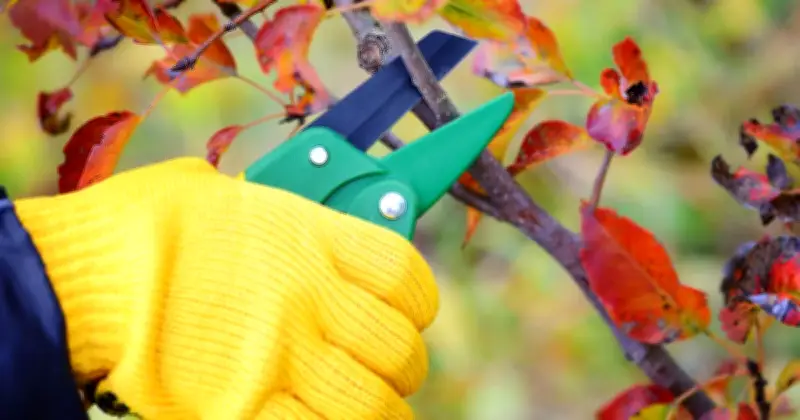
As late autumn arrives, gardening tasks shift from planting new flowers to caring for established plants. Pruning is a crucial part of plant maintenance that begins in late autumn and becomes more significant as winter approaches. Most shrubs and trees respond more effectively to pruning when dormant and leafless, allowing a clearer view of their structure for easier shaping. Gardening experts have shared which plants to cut back this month.
Roses and Peonies
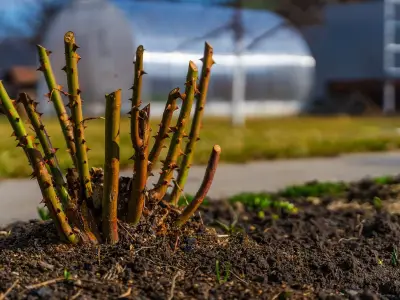
A gentle pruning of roses in November helps keep them neat and minimises the risk of wind damage, often called “wind-rock.” Guy Barter, chief horticulturist of The Royal Horticultural Society, told House Beautiful there is still time to prune roses in November. He said, “Roses are usually given a light prune in October, followed by harder pruning in March once the extent of any winter damage can be seen. However, if you missed the October pruning, it can still be done now without consequences.” Bush roses, including hybrid tea and floribunda varieties, thrive with gentle pruning, as do climbing and standard roses.
Peonies are known for their vulnerability to fungal diseases. In autumn, their deciduous leaves wither away, and if not removed, they can harbour fungal spores that survive through winter, leading to reinfection the following year. It is best to cut back the foliage once the leaves have turned yellow or brown, or sooner if they appear diseased. November is the right time for this task, according to the pros at Gardening Know How. Remove all foliage without cutting too close to the plant's crown.
Berry Bushes and Daylilies
After the last harvest, blackberry, raspberry, blackcurrant, and red currant bushes can be pruned back, according to experts at Coblands Garden Centre. Wait until they have shed all their leaves. Prune all old stems that have borne fruit down to the ground so new shoots have a chance to develop. Improve air circulation in the heart of the bush by cutting back the middle shoots and branches.
Daylilies blossom in summer, with some varieties continuing into autumn. When frost arrives, they naturally die back, providing an opportunity to cut away dead leaves for a neater garden. However, it is advised to wait until after the first frost to prune, as doing so too early can impede a daylily's photosynthesis, resulting in a weaker plant.
Hellebores, Salvias and Irises
Hellebores become particularly fascinating when the rest of the garden prepares for rest. Hillier pointed out that November is suitable for removing old, tatty leaves from hybrids like H.×hybridus to expose emerging flower shoots, but work must be cautious to avoid damage to crowns or flower buds. Trim away old, damaged leaves from established plants by cutting each stalk close to the base. This creates room for new flower stems and minimises the risk of last year's leaf spot affecting new growth.
Perennial salvia comes back every year when conditions are right. Trimming them down to the ground in late autumn boosts their likelihood of blooming twice the following year. Pruning at this time also helps stop the growth of woody stems.
Gardeners often feel the urge to trim iris leaves right after flowering, but it is crucial to hold off. November is a typical time for pruning irises, as it helps the plant grow healthier and flower better next year, according to experts at Rural Sprout. Cut these plants back to four to six inches.