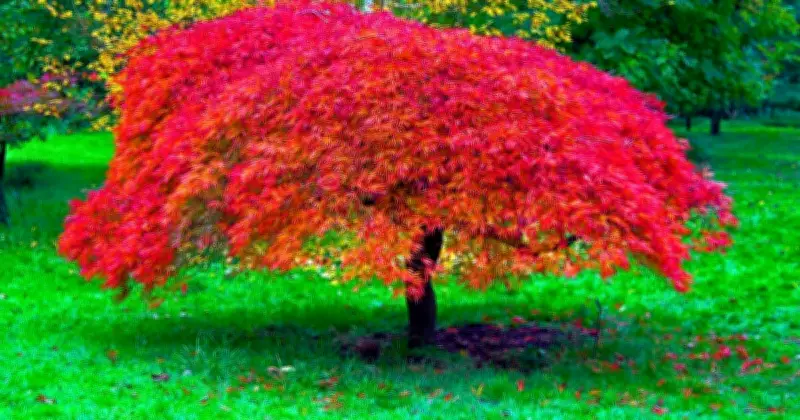
Japanese maples can often struggle to grow in late June due to hot weather, but there is a simple way to protect them from the heat. According to the gardening experts at Mendocino Maples Nursery, the last time to fertilize a Japanese maple is early May, and in summer it is more effective to mulch.
Many gardeners tend to fertilize their plants in summer to help them reach their full potential, but Japanese maples are actually very sensitive to heat. The salts and chemicals in fertilizer can burn the roots and leaves when temperatures rise. Instead, mulching provides insulation and moisture retention without the risk of damage.
Why Mulching Works Best
Japanese maples have shallow roots that sit near the soil surface and dry out much more quickly than most other plants. In their natural habitat, they grow in woodland areas of Japan where forest floors are covered in leaf debris that soaks up water and keeps roots safe from the sun.
Mulching is the simple gardening practice of covering soil around a plant with organic matter. In summer, this acts as insulation to keep plants cool during hot weather. It helps the soil retain more moisture, protects roots from heat, and helps the tree avoid becoming stressed.
Choosing the Right Mulch
The best mulches for Japanese maples are wood chips or pine needles, as they closely resemble the woodland soil of their natural habitat. These natural mulches will break down over time to feed the soil, resulting in a bushier tree without the need for fertilizer.
To begin, purchase mulch from a local gardening centre. Clean around the base of the tree by removing any weeds or other debris. This helps the mulch sit better in the soil and makes it more effective at keeping roots cool.
How to Apply Mulch Correctly
Spread the mulch in a circle around the tree, but ensure none is touching the trunk. Mulch retains a lot of water, and piling too much against the trunk can trap moisture, causing the bark to rot. Instead, keep the mulch in the soil around the planted area, aiming for a depth of about five to eight centimeters.
Once the mulch is applied, water it thoroughly. This will help the tree stay healthy and cool throughout the rest of the summer, allowing it to continue growing its beautiful leaves for the season.