
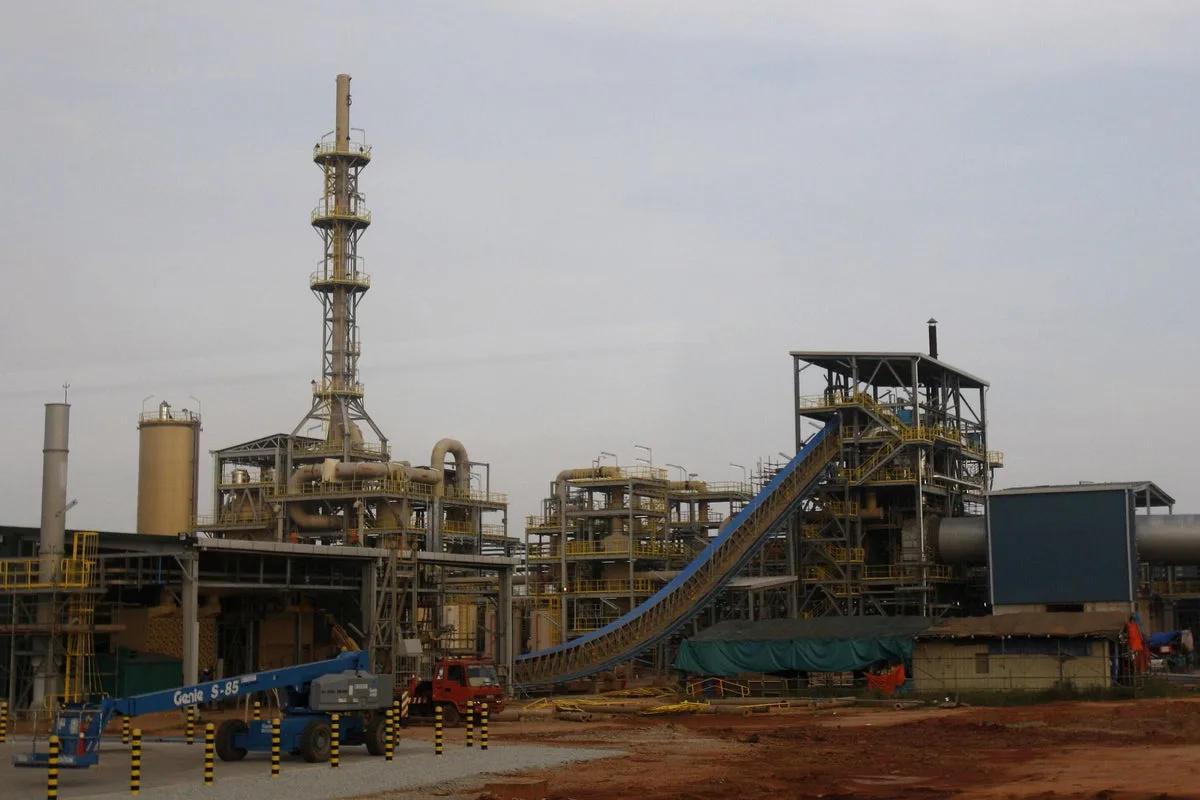
Malaysia's government has renewed Australian miner Lynas Rare Earths' operating license for 10 years, but with a condition that the company must stop producing radioactive waste by 2031. The Lynas refinery, located in central Pahang state, has been operating since 2012 and is its first facility outside China producing rare earths crucial for high-tech manufacturing.
Science Minister Chang Lih Kang announced on Monday that any radioactive waste generated within the next five years must be treated and neutralised by extracting thorium or using other methods. No new permanent disposal facility will be allowed, he said. The license runs until March 3, 2036, and will be reviewed after five years; it can be revoked if Lynas violates its conditions.
Environmental groups have long campaigned against the refinery, demanding that the company export its radioactive waste. They argue that radioactive elements such as thorium and uranium become more hazardous after mechanical and chemical processing. Lynas has been given five years to retrofit its facilities and ramp up operations under what Chang described as a firm but accelerated timeline.
Chang noted that lab tests have shown promising results in neutralising radiation in waste through thorium extraction, but scaling the technology to industrial levels typically takes seven to 10 years. “We have not gone against our promise to prevent the accumulation of radioactive waste in Malaysia. We remain committed to that position, and through this license renewal, we aim to fully achieve this goal by 2031,” he said in a statement.
The license was granted after a thorough technical evaluation, taking into account Malaysia's strategic interests and commitments from Lynas. Existing radioactive waste will be stored in a permanent disposal facility still under construction, due to be ready by the end of the year. Rare earths are used in products such as electric vehicles, weapons, and electronics, and Lynas has said its refinery could meet nearly a third of world demand excluding China.




