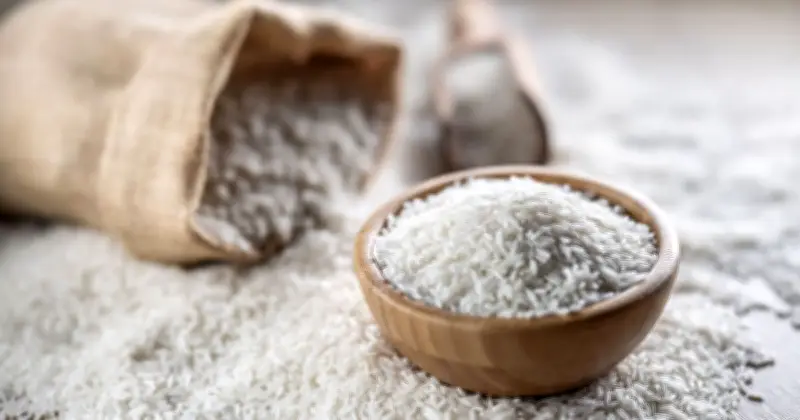
Long-grain rice and basmati rice are two popular varieties that differ in aroma, texture, and ideal culinary uses. While both belong to the long-grain category, basmati is a specific aromatic strain grown primarily in India and Pakistan.
What Is Long-Grain Rice?
Long-grain rice refers to a category where grains are four to five times longer than they are wide. Common examples include standard white long-grain and brown rice. When cooked, the grains remain separate and fluffy rather than sticky, making it ideal for pilafs, stir-fries, and rice salads. Its neutral flavour absorbs sauces and seasonings well.
What Is Basmati Rice?
Basmati rice is a specific variety of long-grain rice known for its distinctive nutty or popcorn-like fragrance. The name translates from Hindi as "queen of fragrance." Its grains are even longer and thinner than standard long-grain rice, expanding during cooking to a light, separate, and slightly drier texture. It is commonly used in South Asian and Middle Eastern dishes such as pilau and biryani.
Key Differences
The most noticeable difference is aroma: basmati has a strong fragrance, while standard long-grain rice is neutral. Texture also differs, with basmati being more slender and elongated. Cooking behaviour varies: basmati generally requires rinsing and soaking before cooking to achieve fluffiness and prevent breakage. Long-grain rice is more forgiving and can often be cooked straight after rinsing.
Which One to Choose?
Choosing between the two depends on the dish. For a neutral, versatile rice that pairs with almost anything, long-grain rice is a reliable option. For fragrant dishes where aroma matters, basmati is usually the better choice.