
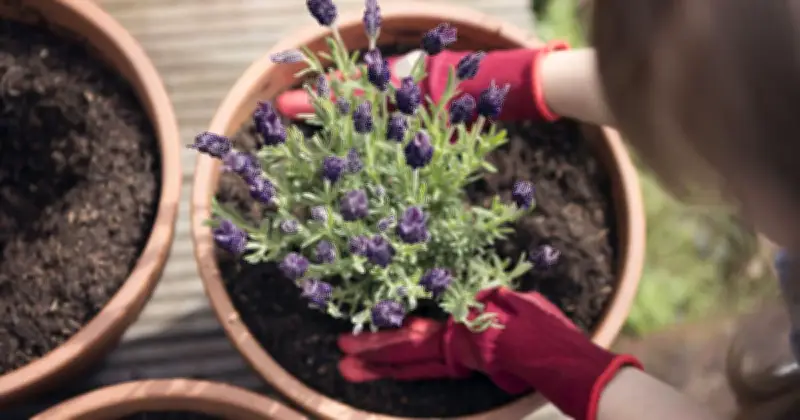
Hot summer weather can be challenging for many garden plants, especially when temperatures remain high for extended periods. Even low-maintenance plants such as lavender can struggle if not properly cared for. Lavender is often praised for its ability to cope with dry, sunny conditions, but it is not completely immune to heat stress. Without the right care, the plant can begin to wilt, turn yellow or brown, and flowers may drop off.
Fortunately, an expert at Willamette Valley Lavender says one simple task completed in June can help lavender thrive throughout the summer months. Watering lavender correctly in June is essential for keeping the plant healthy. The shrub can die in heavy and damp soil but will still struggle during prolonged periods of hot, dry weather if it does not receive enough moisture.
How to Water Lavender in Extreme Heat
The expert shared: "Lavender is adapted to dry conditions and should never sit in wet soil. However, it still needs adequate moisture, especially in summer. Water thoroughly once a week or when the soil is completely dry two to three inches below the surface. Always water at the base of the plant to keep the foliage dry and prevent disease."
Gardening expert and Celebrated Herb founder Stephanie Leblanc advises watering the soil around the plant, aiming to keep the roots moist. In periods of intense heat, it is recommended to water the ground deeply, about six to eight inches. If you notice the lower leaves of your lavender turning yellow, it could be a sign of too much water, leading to potential root rot, mould, or fungal issues.
Other Maintenance Tips
The expert at Willamette Valley Lavender also shared advice on pruning: "Hold off on pruning lavender until late summer or early fall, after all the blooms have faded. This allows the plants to complete their full flowering cycle. Then, prune lavender bushes into a dome shape to promote healthy growth. Remove spent blooms and snip back leggy stems above leaf sets. Proper annual pruning keeps lavender looking its best."
They also noted that once your lavender plant begins flowering, allow the blooms to remain on the plant throughout summer to provide a valuable food source for bees and other pollinators. The gardening expert added: "Hold off on pruning lavender until late summer or early fall, after all the blooms have faded. This allows the plants to complete their full flowering cycle. Then, prune lavender bushes into a dome shape to promote healthy growth. Remove spent blooms and snip back leggy stems above leaf sets. Proper annual pruning keeps lavender looking its best."




