
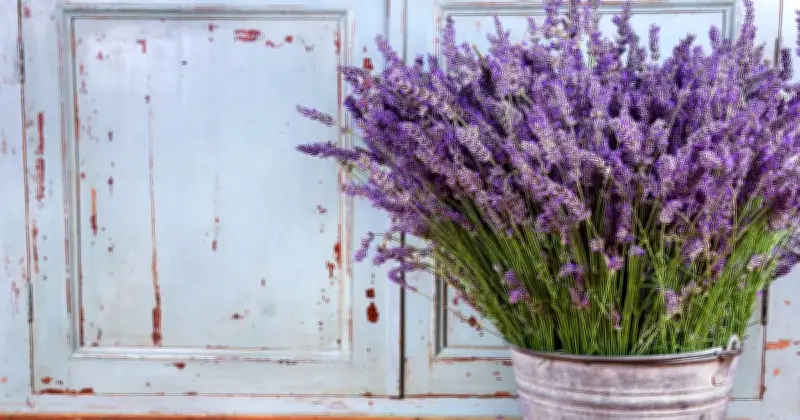
Lavender should be enjoying its final burst of blooms in August, but a straightforward method can extend these flowers and prepare the plant for cooler conditions next month. Deadheading lavender helps maintain its health and may even encourage further flowering, according to Callan Harvey, a gardening specialist from Sloane and Sons.
Why deadheading matters
Harvey said: "Across summer, lavender flowers may begin to fade, particularly by August. This presents an excellent opportunity to deadhead and remove the faded blooms if you haven't already harvested them. By deadheading, you can coax your lavender plants into a new stage of blooming."
Deadheading is the technique of removing spent flowers so the plant doesn't squander energy on deceased foliage. If lavender expends excessive energy on wilting blooms, it won't have sufficient reserves to develop new roots or fortify its root system before winter. This can result in lavender struggling to flourish in spring the following year, leaving an underdeveloped plant.
How to deadhead lavender
Deadheading takes no more than two minutes and prompts lavender to continue thriving, making a second wave of flowers more likely despite summer drawing to a close. Identify dying flowers at the crown of the plant; they should feel brittle and appear dull brown or grey. Trace down the stem of the wilted flower to the first set of leaves, then snip just above the leaves with clean scissors or shears. Repeat for all spent flowers.
Once lavender has finished flowering entirely, remove all old blooms as thoroughly as possible to maintain tidiness and vitality. Avoid cutting the woody stems, as these will not regenerate and can cause significant harm to the plant.




