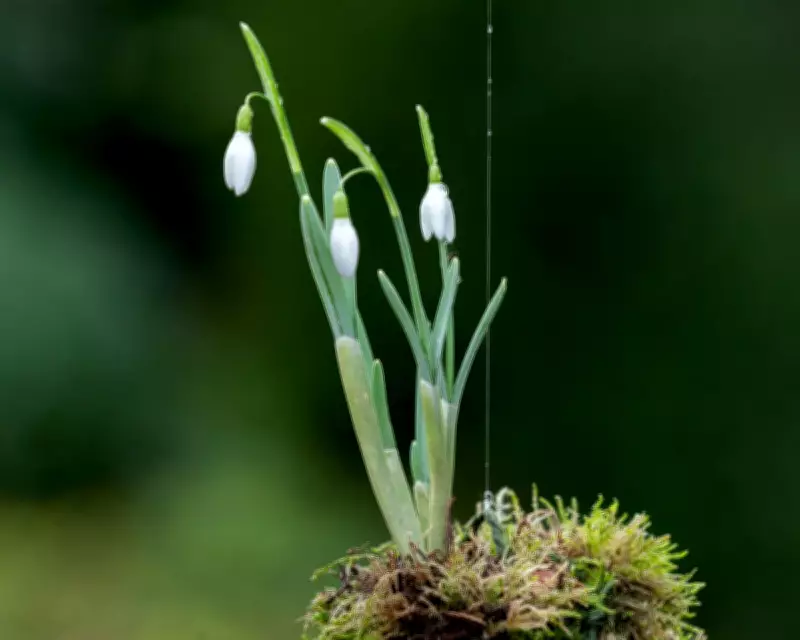
Kokedama: Bringing Japanese Magic into Your Home
The Japanese gardening technique of kokedama, translating to "moss ball," offers a magical touch to any living space. This centuries-old art, originating from the far east, involves wrapping plant rootballs in moss and binding them with twine, creating beautiful hanging or tabletop displays. Unlike bonsai trees, kokedama are significantly easier to recreate at home, making them accessible for gardening enthusiasts of all skill levels.
A Personal Journey with Kokedama
In a recent visit to a cafe in Peckham, south-east London, a kokedama on the table sparked memories of a trip to Japan a decade ago. There, these moss balls adorned doorways in snow-covered mountain villages, cradling delicate ferns through winter. This encounter highlighted how kokedama has evolved from a traditional side-product of bonsai to a popular standalone art form, especially during the mid-2010s houseplant craze.
Modern Adaptations and Uses
Today, kokedama have been adapted into more contemporary versions, such as squat mounds featuring artfully placed sprigs of limonium or dried sanguisorba. These serve as eco-friendly alternatives to florists' foam, adding structure and beauty indoors and outdoors. For instance, at the Chelsea Physic Garden's Heralding Spring festival, kokedama hang in trees, showcasing snowdrops and irises, providing a magical touch during bleak winter months.

How to Create Your Own Kokedama
Creating kokedama at home requires moss, soil, twine, bonsai compost, and patience. Start by mixing peat-free potting soil with bonsai compost or sharp sand for drainage. Remove a plant from its pot—hardy ferns or bulbs are ideal for beginners—and form a coconut-sized ball around the rootball, squeezing out excess moisture. Wrap it in sheet moss and crisscross twine around the ball, leaving excess to hang it. With practice, this technique can transform any space, offering a sustainable and artistic gardening solution.