Lawn moss can be killed in about two hours and grass made greener by applying iron sulphate, a natural mineral treatment that lawn specialists recommend for November. The product, also known as ferrous sulphate, is described by the experts at GreenThumb as “the most effective and widely used moss killer in UK lawn care”.
Moss forms soft, dense patches across the soil surface, gradually filling bare or thinning areas where grass has struggled to grow. If left untreated, it can smother grass and leave a lawn patchy once winter is over. Removing moss is best done in autumn, while the grass is still recovering from heavy summer use.
Why iron sulphate works on moss
Iron sulphate consists of natural minerals that are crucial for plants, helping them produce sugars through photosynthesis using sunlight, carbon dioxide and water. Gardening experts at Moowy said: “This process enhances plant strength and gives your grass that lush, deep green colour.”
When applied correctly, iron sulphate causes moss to blacken and die, making it easier to remove by raking or scarifying. At the same time, it provides iron to the grass, helping to enhance its natural green colour and improve overall appearance. After application, moss should “quickly turn black and die, usually within about two hours”, though sometimes it may take several days, according to the Iron Sulphate retailer.
Experts at LawnSmith also recommended the product, claiming that it gives a “wonderful green up” and helps “keep the grass healthy and moss-free” throughout the cooler months.
How to apply iron sulphate to your lawn
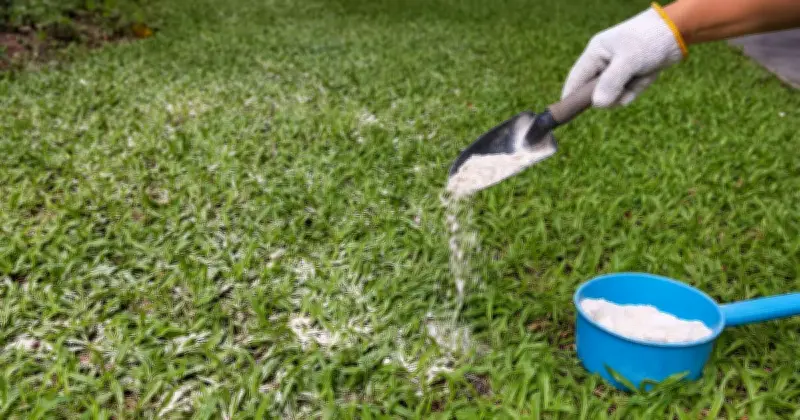
Before applying iron sulphate, mow the lawn a few days beforehand, remove leaves and debris, avoid cutting the grass extremely short, and check the weather forecast. Good preparation helps ensure even coverage.
Always follow the application instructions provided. The aim is to mix 25g per litre of water and use a sprayer or watering can; one litre can treat five square metres. Apply evenly across the lawn and avoid overlapping applications, as uneven application can lead to inconsistent results.
What to expect after treatment
Following treatment, the moss will gradually darken, dry out, and then die. A lawn turning black after treatment is completely normal and usually shows that the iron sulphate is working as intended. The lawn may temporarily look worse before it looks better.
Once the moss has fully blackened, rake thoroughly, scarify heavily affected lawns and make sure to collect all loose debris. Removing the dead moss improves air circulation, water absorption, seed-to-soil contact, and grass recovery, while leaving dead moss in place can slow lawn recovery.