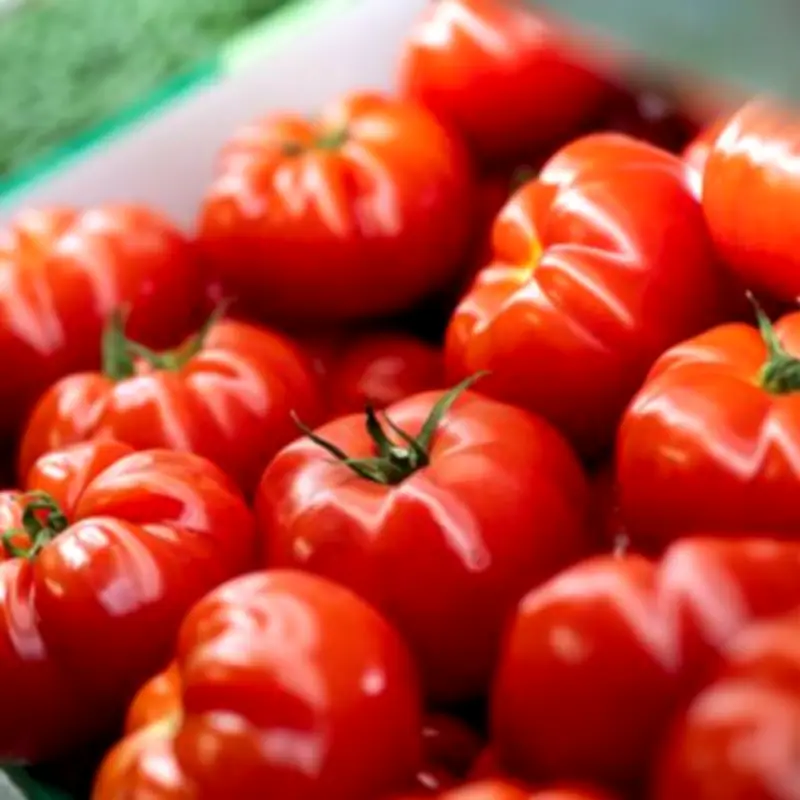
Tomatoes are entering their peak season, ripe and succulent, perfect for incorporating into salads, pasta recipes and other outdoor dining favourites. Nevertheless, even the most pristine tomatoes can deteriorate rapidly without correct storage.
Optimal Storage Methods for Fresh Tomatoes
Food specialists have recently outlined the optimal methods for storing fresh tomatoes, though there's an important distinction consumers should understand. Derek Azevedo, executive vice president of Bowles Farming Company, explained to Simply Recipes that the tomato's state actually determines the most effective preservation approach.
For whole tomatoes, kitchen counter storage is recommended. On the other hand, sliced tomatoes require refrigeration. Derek said: "Storage doesn't matter; as long as your house is 72 degrees or cooler. They should keep just fine on the counter."
Seventy-two degrees Fahrenheit equates to approximately 22 degrees Celsius. Once tomatoes have been sliced, refrigeration becomes necessary, reports the Mirror. Chilling tomatoes can also prevent over-ripening. Should immediate consumption prove impossible, refrigeration can extend their lifespan for the required duration.
Subsequently, when preparing to consume or cook with the tomatoes, remove them from the refrigerator and allow them to reach room temperature.
Tomato Shelf Life Varies by Type
Heirloom varieties typically remain fresh for only a few days, while others, such as Roma tomatoes, can last up to two weeks, Derek clarified. To maintain tomatoes' full flavour profile, some experts recommend removing stems before storage.
This is due to tomatoes releasing moisture through their stems. By detaching them and positioning them fruit-stem-side down, they retain considerably more moisture.
Alexandra Kazaks, PhD, member of the Institute of Food Technologists' Nutrition Division, explained: "Removing the stem from tomatoes can actually damage flavour and freshness. The stem scar (the spot where the stem was attached) is a weak and porous area where air, moisture, and microorganisms can enter, speeding up spoilage."
She continued: "Storing tomatoes stem-side down helps slow spoilage and reduce moisture loss, keeping them fresher for longer. Fresher tomatoes naturally have better flavour, so this method indirectly supports better taste. However, it cannot improve poor flavour - if a tomato is bland to begin with, no storage technique will change that."