
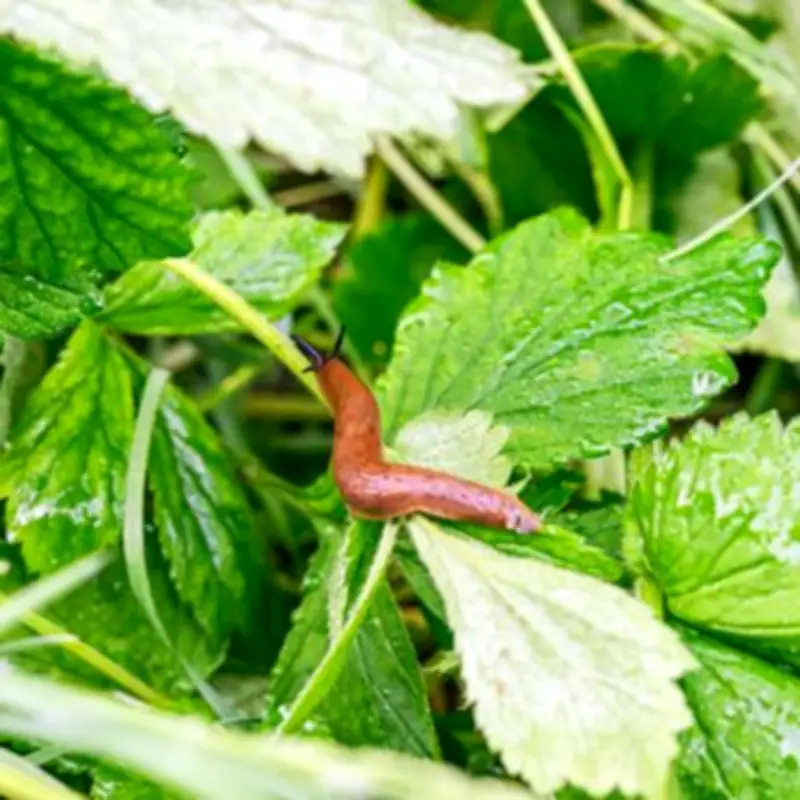
Slugs frequently head the list of the most unwelcome garden nuisances and are commonly regarded as the scourge of any gardener's plot. These gastropods do not just destroy seedlings virtually overnight — their preferred pastime is devouring cherished plants, leaving behind irregularly shaped holes in leaves, flowers, stems, bulbs, tubers, and potatoes, while depositing a silvery slime trail to ensure we are aware of their uninvited visit to our gardens.
While these molluscs remain active year-round, their presence is particularly pronounced during the spring and summer months, when there is an abundance of young and fresh growth for them to consume. These garden nuisances have a habit of burrowing into the soil or concealing themselves in cool and dark spots to prevent dehydration, and they are most active after nightfall, especially if conditions are damp and warm, reports the Express.
Natural Methods to Control Slugs
So, how can you address these irritating garden pests in an effective and natural manner? The answers are straightforward. In a BBC Gardeners' World reader survey asking for the best approaches to controlling slugs in your garden, some surprising and unanticipated techniques came out on top.
Garlic Drench
Slugs are thought to be deterred by the scent of garlic, so applying a garlic drench to the leaves of your treasured plants is a swift and efficient natural approach to eliminating these pests. To protect your plants from an unwelcome slug invasion, prepare your own garlic drench using this simple three-step technique. A four-pack of garlic is available for as little as 87p at supermarkets such as Tesco and Sainsbury's, working out at approximately 21p per bulb.
To make your own homemade garlic solution for deterring slugs, BBC Gardeners' World suggests crushing two entire garlic bulbs and boiling them in a couple of pints of water. Afterwards, simply strain the liquid and allow it to cool. Dilute one tablespoon of this garlic solution in four litres of water and pour it over your young plants once weekly in the evening. You can also apply the garlic solution directly onto foliage and cover them completely. Crucially, remember to reapply the liquid regularly, particularly following rainfall.
Pick Them Off After Dark
The most favoured method for removing slugs according to the Gardeners' World survey is to venture into your garden after nightfall armed with a torch, and remove the troublesome creatures from plants with a bucket of salt water prepared. Those who favour a more compassionate approach can gather the slugs in a bucket and relocate them into the wild at a distance from your garden.
The optimal time to remove slugs is two hours after dusk, which would mean late nights during the height of summer. Wearing gloves is advisable. An effective way to deliberately lure slugs to a dark and sheltered spot to simplify your task is by leaving out something they enjoy, such as dried cat food, old vegetables, oats, bran, or bread rolls. Once the slugs have gathered, you can readily remove them. During daylight hours, scout for potential hiding places, as these creatures favour any location that is damp, shaded, and cool. Checking beneath plant pots, tread boards on your veggie plots, pot saucers, and garden furniture are all worthwhile starting points.
Create Barriers
Erecting barriers is another slug deterrent that numerous BBC Gardeners' World reader survey respondents vouch for. These gastropods find prickly and sharp materials uncomfortable to traverse, so some widely used barriers that can be deployed in your battle against slugs include bark, cocoa chips, sawdust, ash, cat litter, horticultural grit, wool pellets, coffee grounds, and sand. It is vital to bear in mind that these barriers need topping up on a regular basis, and also that the majority of slugs do not reside on the surface but beneath the soil.
Unusual Methods
Some unconventional slug removal techniques endorsed by Gardeners' World include applying petroleum jelly as a greasy barrier smeared generously around the rims of seed trays and pots, fixing double-sided sticky tape around the rim of pots with the outer edge coated in salt, and sinking beer traps into the soil using inexpensive beer.




