
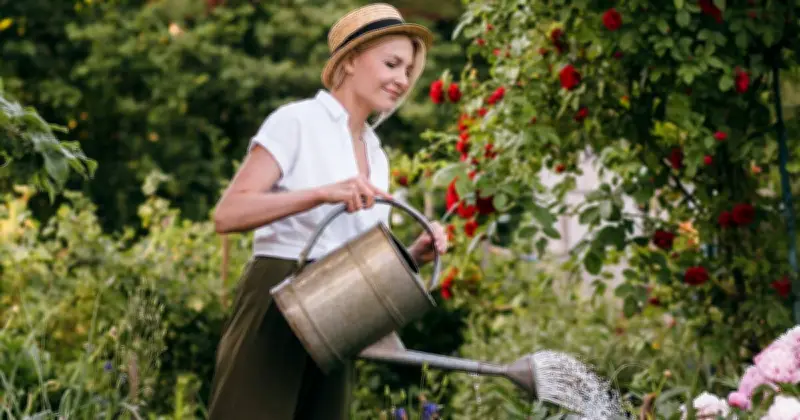
Gardeners have been warned about the best time to water their plants during hot summer weather, as watering at the wrong time can put "extra stress" on plants. Luke Newnes, gardening expert at curtain and awnings shop Hilarys, said one basic mistake to avoid is watering in the middle of the day when temperatures are at their highest.
Water Smart Rather Than Water Often
Mr Newnes said: "One of the most common mistakes is watering in the middle of the day when temperatures are at their highest. A lot of that water is simply lost through evaporation before the plants can benefit from it."
He said the best way to think about watering is to "water smart rather than water often." He explained: "A thorough soak early in the morning or later in the evening is far more effective than light watering throughout the day, as it encourages roots to grow deeper into the soil. For flower beds and shrubs, adding a layer of mulch can make a huge difference because it helps the soil retain moisture and keeps roots cooler."
Lawns Are Resilient
Gardeners may be worried if the grass is looking parched and frazzled in drought conditions, but Mr Newnes says there is no need for over-concern. He said: "When it comes to lawns, many people panic when the grass starts to turn brown, but in most cases there's no need to worry. Grass is incredibly resilient and will often bounce back once temperatures drop and rain returns."
He also advised against being too quick to prune, mow or fertilise during a heatwave. Mr Newnes said: "Heavy pruning puts extra stress on plants, while cutting lawns too short leaves them more vulnerable to drying out. During prolonged hot spells, it's best to let the lawn grow slightly longer than usual so it can protect itself."
Hosepipe Ban Advice
Mr Newnes was also asked if gardeners should be concerned if a hosepipe ban comes into effect in their area. He said: "I don't think gardeners need to panic if a hosepipe ban comes into force. In many cases, established trees, shrubs and perennial plants can cope surprisingly well without additional watering. The priority should be newly planted specimens, vegetables and container plants, as they're generally the most vulnerable."
He suggested collecting rainwater if possible in case a hosepipe ban is put in place, and focusing watering on the areas of the garden that need it most. Mr Newnes said: "A hosepipe ban is really a reminder to use water as efficiently as possible rather than a signal to give up on gardening altogether."




