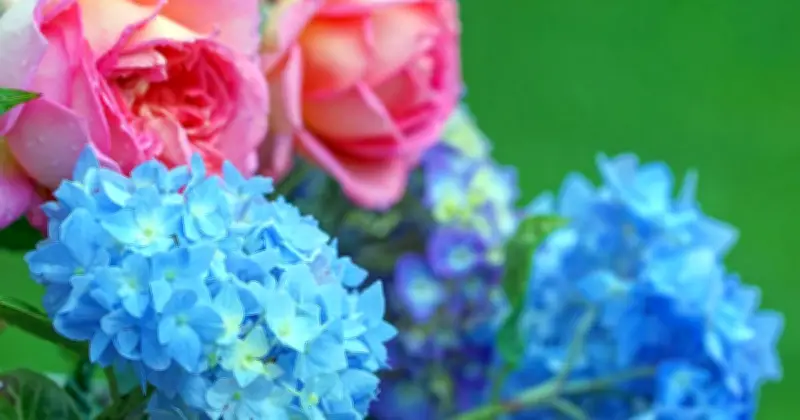
Hydrangeas and roses, beloved for their vibrant summer blooms, require an additional gardening task to survive the ongoing heatwave, according to experts at Home and Gardens. Prolonged hot weather can quickly wilt these flowers, causing scorched leaves and reduced flowering. The key is extra watering before signs of stress appear, but timing and technique are critical.
Best Time to Water During a Heatwave
The gardening expert stated: "The best time to water a garden during a heatwave is early in the morning, when cooler temperatures allow moisture to soak into the soil rather than evaporating quickly. In fact, the best time to water a garden is almost always before the day heats up, giving roots time to absorb moisture and helping plants cope better with soaring temperatures." Evening watering is the next best option, but watering in the middle of the day should be avoided as much moisture is lost before roots can absorb it.
Hydrangeas: Vulnerable to Heat Stress
Mophead and lacecap hydrangeas are particularly susceptible to heat stress due to their large leaves that lose moisture quickly, causing blooms and foliage to droop. While wilting is a common response, proper care can maintain health and flowering. The expert advised: "I like to water deeply at the base rather than relying on quick surface sprays, as a thorough soak every few days does far more for long-term plant health than frequent, shallow watering."
Roses: Resilient but Need Deep Soaking
Roses are more resilient but still require ample moisture during extreme heat. Extended hot spells deplete water reserves, causing blooms to fade and growth to suffer. The expert recommended: "To water roses correctly, give them a deep soak around the base of the plant and avoid wetting the foliage where possible. One or two thorough waterings each week is usually enough to support healthy flowering during periods of extreme heat. Deep, infrequent watering encourages roots to grow further into the soil, helping roses become more resilient during long, hot summers."
By following these guidelines, gardeners can ensure their hydrangeas and roses remain vibrant throughout the heatwave.