
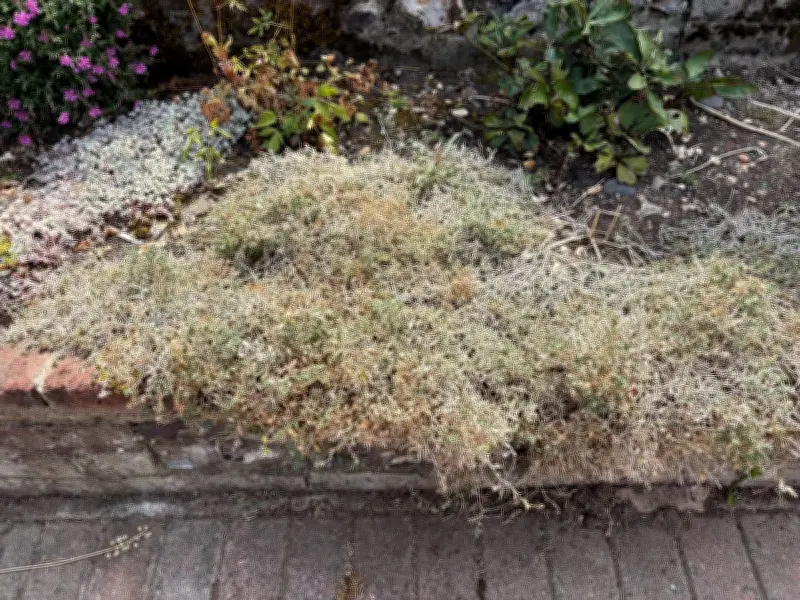
After a summer of scorching hot heatwaves, many gardens are looking worse for wear, with dull, patchy grass and wilted, discoloured leaves on plants. However, there are ways to revive them, according to experts.
Signs of scorch and survival
“When we talk about scorched plants, it starts with them beginning to look a bit grey, as the green is greyed over,” says Guy Barter, RHS chief horticulturist. “Then typically they start shedding the older leaves, or the older leaves start going yellow and then gradually the younger leaves can no longer be sustained and they go yellow too.”
“At that stage, plants vary in whether they'll come back or not. Some of them which have particularly strong roots which can hold a bit of moisture just enough to sustain life will come back. Others, with shallow, fibrous roots, are much less likely to survive.”
The positioning of your plant can also contribute to scorch, he continues, not just from the sun but from the wind as well. “If there's a wind tunnel between two houses, for example, that will magnify the effect of the scorch because it's like a hairdryer, sucking the moisture out of the foliage,” Guy says.
Detecting life and providing shade
There are methods of detecting signs of life, says Kim Stoddart, editor of Amateur Gardening magazine and co-author of The Climate Change Garden with Sally Morgan. “If the stems are flexible, that's a tell-tale sign (that the plant is alive). Or run your nail down a stem to see if there's any green,” Kim says.
However, she cautions against removing too much foliage, as it can leave the plant more exposed, particularly during another heatwave. “That foliage can be providing protection for plants. Shade is absolutely key and the dead leaves can be providing a form of shade for other parts of that plant underneath,” she says.
If your plants have scorched and the leaves have turned crispy, don't despair, as many of them will recover.
Plants likely to survive
Plants that are in with a chance of surviving include:
- Aubrieta – “Aubrieta is very resilient and has been a cottage garden favourite for centuries so it has an inherent ability to survive,” says Guy. “There's an excellent chance of that coming back.”
- Delphiniums – “These stunning tall plants with spires of flowers in a vast array of colours boast a robust, fleshy root stock, making them more likely to pull through than other more delicate cottage garden plants,” he says.
- Shrubs – “Shrubs may begin to show signs of wilting, but they are generally adept at enduring dry spells,” Guy says. “It's frequently a matter of waiting to see what happens.” All the common garden shrubs – philadelphus, weigela, deutzia – have evolved to grow in difficult places and are usually pretty good. They often have wilted leaves but they usually come back. “I wouldn't suggest whipping things out willy-nilly and I don't think there's a great deal to be gained from cutting them back,” he says. “Hang fire and hope some rain comes and restores them. Some people say the plants are losing water and advise cutting back the foliage, but they need foliage to grow new roots to replace the ones that die back in the dry soil.”
- Roses – “Established roses will generally withstand the scorching effects of UK summer heatwaves, despite showing drooping stems, faded foliage and scorched petals, as they are resilient plants that enter a temporary survival mode by slowing the production of new growth or flowers,” Guy says. “So even if you notice scorched leaves and severely weakened stems, provided the graft remains alive, the rose should pull through. Water thoroughly during the late evening and apply a generous layer of mulch — ideally compost or leaf mould — around the base of the plant. Refrain from removing scorched leaves until conditions improve, as these can still offer some shade to the base of the plant.”
- Crocosmia – “While gardeners with vibrantly coloured crocosmia may have noticed the sword-like leaves scorching easily, the RHS advises that any damage is likely to be superficial, as they are hardy, drought-tolerant plants that should return next year,” he says.
Plants that may struggle
Plants that may struggle to recover include:
- Hollyhocks – “Some cottage garden favourites like hollyhocks haven't got much of a root so may well not survive and it's the same to some extent with lupins,” says Guy.
- Camellias – “Shrubs have different strategies depending on how they've evolved. Those which have evolved on the damp, soft forest floor, like camellias for example, are much less able to resist prolonged dry periods compared with those that have evolved on hillsides, like brooms,” Guy says.
- Hydrangeas – Recognised as thirsty plants, hydrangeas also have fibrous roots and possess limited capacity to withstand drying out, according to Guy. “Here at Wisley (RHS Garden Wisley in Surrey), we wouldn't plant them on a south-facing slope because they would get baked. We might chance them on a north-facing slope where they're out of the worst of the sun,” he says. “The RHS is contemplating relocating portions of its hydrangea collection from Wisley to its cooler northern gardens in Greater Manchester and North Yorkshire, owing to progressively hot and dry southern summers.”
- Small evergreen conifers in pots – “Frequently we use small evergreen conifers such as Cupressus macrocarpa to add height to a container – but if you discover that their needles have turned brown through scorch or wind damage, you'll probably have to start afresh,” says Guy. “They tend not to regrow from older wood. They haven't got the resilience that shrubs have.”
- Japanese maples – “They are famously vulnerable to drying out, so you need to plant them where the wind can't get at them and make sure they're in shade for part of the day,” he advises. “If you're concerned the plant is struggling and are unable to relocate it, erect some shade netting over posts around the plant to alleviate some of the strain on it.”




