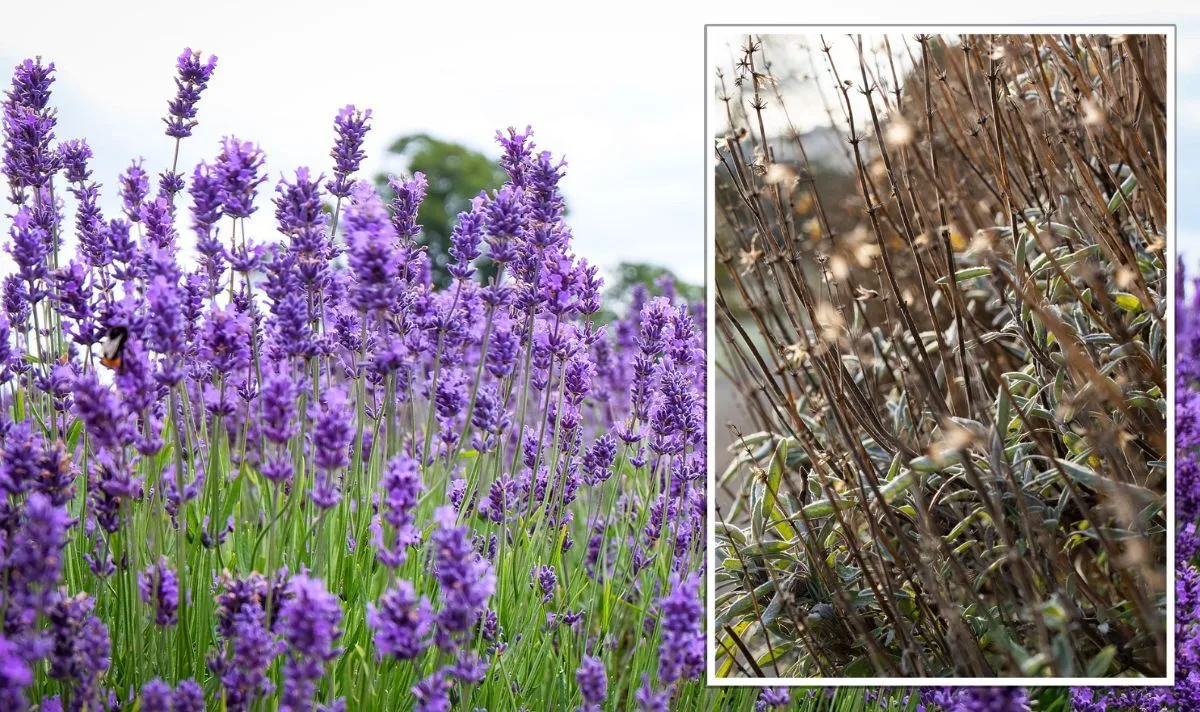
Lavender is one of the most resilient garden shrubs, being drought-resistant, cold-hardy, and requiring no fertiliser. However, gardeners may face issues such as a lack of flowers, wilted foliage, slow growth, or unruly growth. According to gardening expert and former organic lavender farmer Logan Hailey, the most common cause for a lack of blooms is plant stress.
Hailey advises checking watering schedules, soil preparation, and disease presence. She also recommends considering the lavender variety and the age of the transplant. To improve future blooms, gardeners should ensure proper pruning and soil drainage.
Droopy plants are often a symptom of overwatering, Hailey warns. Lavender typically needs irrigation only during its first four to six months after planting. Overly wet soil can lead to root rot or crown rot. To fix this, reduce watering and improve soil drainage by mixing in pea gravel, sand, or peat moss. In severe cases, replanting in a better-drained location or container may be necessary.
Woody growth, characterised by hard, brown stems instead of lush foliage, results from infrequent pruning. Hailey notes that regular pruning prevents unsightly rigid stems and promotes a tidy mounded shape. For overgrown plants, cutting slightly into the woody core can help revitalise them, though this is not typically recommended.