
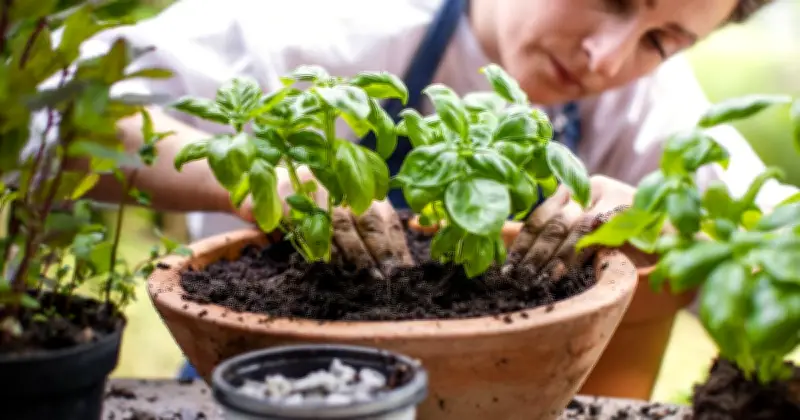
Growing bigger basil leaves is easier than you think, with a 5-second task that can help encourage fuller leaf production and keep the plant healthier for longer. The simple task will make basil thrive in warmer weather.
Why Pinching Basil Works
Basil is generally considered straightforward to maintain, leading many people to simply leave it sitting in a pot. Yet without taking a few seconds to carry out one simple gardening task, it will fail to thrive properly. As warmer weather arrives across the UK, basil can start to flower, at which point it diverts all its energy towards producing seeds rather than developing larger leaves. The result is small, tough leaves that are difficult to chew and taste remarkably bitter, rendering the plant virtually useless for cooking purposes.
However, Cynthia, a gardener from Grow Better Veggies, has revealed that pinching your basil once a week can encourage it to produce fuller, sweeter leaves, reports the Express.
How to Pinch Basil
All you have to do is pinch the basil once a week. Cynthia said: "I've talked to loads of people who seem to have trouble with basil. They plant it out in their herb garden or kitchen garden, and find that it never gets very big or bushy. The key to its success is pinch, pinch, pinching. Even at this very young age, we pinch off the top. No scissors or clippers required, the growing tip is easily removed with just your fingernails."
It may sound peculiar, but pinching basil delays the flowering process and keeps the plant concentrated on producing leaves. By doing so, basil channels all its energy into leaf growth, keeping them soft and even more flavoursome.
As basil is an annual plant, it naturally begins to wither once it has flowered. Delaying this process keeps it healthy and thriving for considerably longer. This technique not only produces larger leaves, but also stimulates the plant to develop additional side shoots, resulting in a substantially more abundant harvest.
Step-by-Step Guide to Bigger Basil Leaves
To pinch basil, identify the leaf nodes, which appear as a small bump along the main stem where two leaves emerge opposite one another. Use your fingers to remove the stem growing above the leaves. Avoid touching the leaves themselves as they will develop into fresh basil branches.
During summer, basil commonly produces flowers, so ensure you inspect your plant at least weekly for any new growth to eliminate any buds. Should you spot numerous flowers on basil, you may need to consider acquiring a new plant or propagating a cutting. Basil is in its final life stage and will only survive for a few more weeks.
Dedicating time to this straightforward and simple task will significantly enhance the vitality of your basil, whether you cultivate it indoors in the kitchen or outdoors in the garden.




