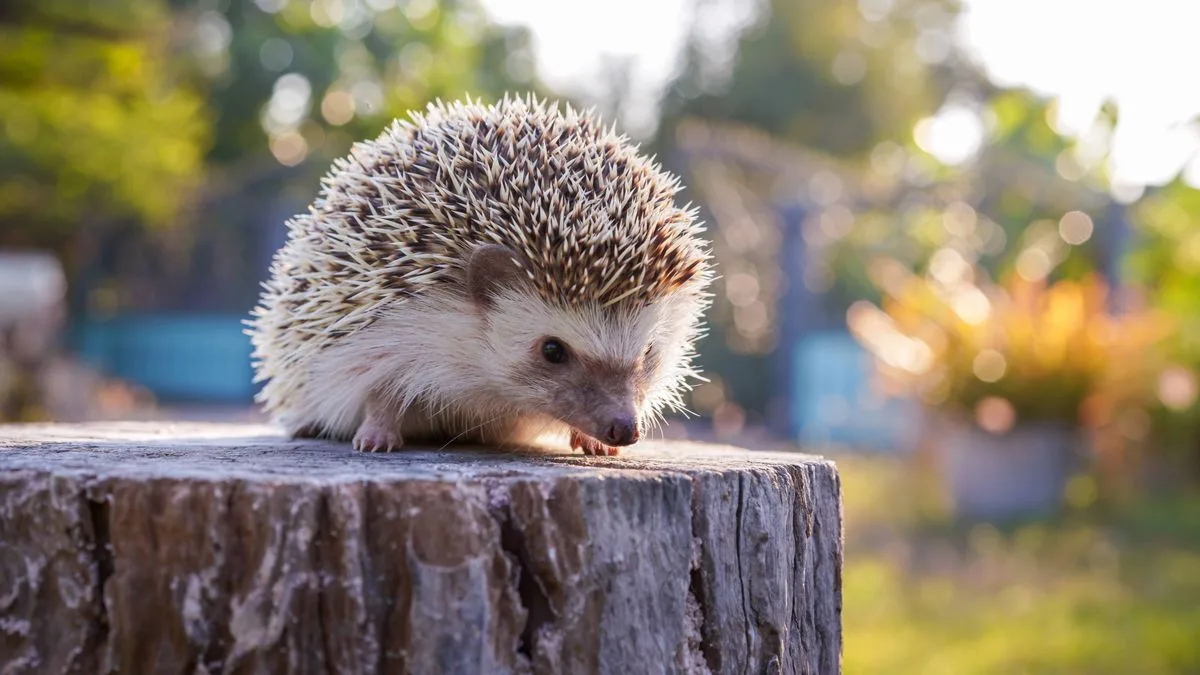
Hedgehogs are beloved garden visitors for their pest-control skills, but gardeners may unknowingly put them at risk. The Hedgehog Preservation Society has issued warnings about two common hazards: garden netting and milk.
Netting used to protect vegetables can entangle hedgehogs, leading to starvation. The charity advises rolling up nets when not in use and keeping pea netting 22-30cm off the ground so hedgehogs can pass underneath. Loose piles of leaves and garden rubbish also pose risks as they may hide hedgehog nests.
Another danger is litter such as tins, yoghurt pots, and plastic cups, which hedgehogs may get their heads stuck in. Gardeners are urged to cut plastic rings from multipack holders and dispose of rubbish properly.
Milk should never be left out for hedgehogs, as it upsets their stomachs. Instead, provide fresh water and meat-based pet food as a supplement to their natural diet of invertebrates like beetles, caterpillars, and slugs.
Slug pellets containing metaldehyde have been illegal since April 2022. If other pellets are used, they must be placed where hedgehogs cannot reach them, and dead slugs removed daily. The charity advises using alternative pest control methods.
By following these simple steps, gardeners can ensure their outdoor spaces remain safe for the nation's favourite spiky visitors.