
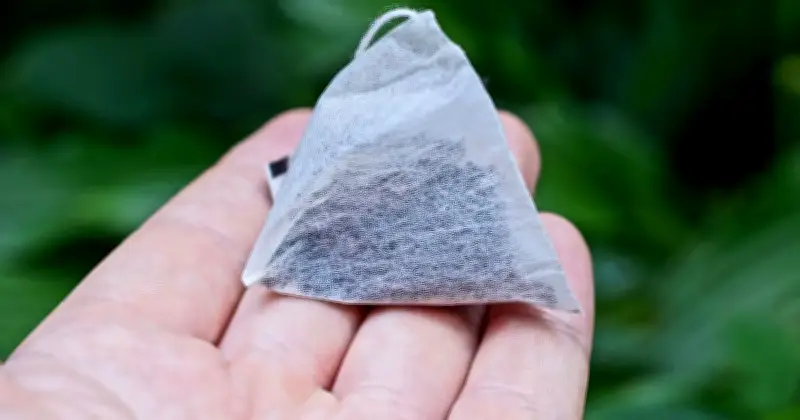
Gardeners are being encouraged to repurpose used teabags in their gardens this June, as the leaves contain vital nutrients that help flowers, especially roses, thrive during the summer months.
Why Teabags Are Beneficial for Gardens
A professional gardener, Mark, founder of The Garden Path, has shared a simple, cost-free method to enhance rose growth using leftover teabags. He learned this trick from his grandfather and continues to use it today.
Teabags are rich in nitrogen, which promotes foliage growth and helps flowers develop sturdy stems capable of supporting heavy blooms. They also contain potassium, a crucial nutrient for flowering that aids bud development, leading to larger, more vibrant blooms.
However, Mark notes that teabags should not replace fertilizer entirely, as they do not provide all the minerals roses need. Instead, they serve as a supplementary feed, improving soil quality, attracting worms, and giving roses an extra energy boost.
How to Use Teabags in the Garden
To apply, collect used teabags in a container for about a week or until you have enough to fill a bowl. Then, tear open the bags and empty the tea leaves into the bowl. It is crucial not to place whole teabags in the garden, as some contain plastic fibers that do not decompose and may cause mold.
Once the leaves are collected, scatter them around the base of rose plants. Use a trowel to gently work the tea leaves into the soil. Rain will then carry the nutrients deep into the ground to nourish the roots.
Apply the tea leaves once a month during spring, but no more frequently, as over-fertilizing can be harmful. This method takes less than 10 minutes and, according to Mark, is the secret behind his grandfather's stunning roses.
Mark said: "I do not know what it is about the tealeaves, but they [roses] love whatever is in them. I have had great blooms. My grandfather's roses were some of the best I've ever seen."




