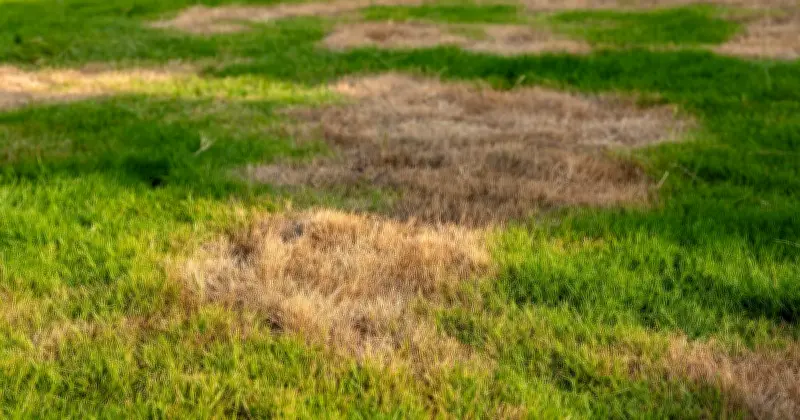
Following weeks of relentless sunshine and sweltering temperatures, numerous UK lawns have transformed from vibrant green to parched and brown. This has prompted many Britons to wonder whether their grass has perished. The encouraging news is that it's likely simply lying dormant throughout extended hot, dry spells, according to Hildreth's Home & Garden Centre.
They explained: "It's a clever survival mechanism that allows the plant to conserve water until conditions improve. So, although the grass blades turn brown, the roots are usually still alive and well beneath the surface."
Sunday: The Ideal Day to Feed Your Lawn
One effective method to help your lawn return to its usual condition is to nourish it once the heatwave subsides. Examining the forecast for most regions across the UK, Sunday presents the ideal opportunity to feed your grass. This week marks the first occasion temperatures have dropped to the low 20s in weeks.

It's crucial to feed your lawn once temperatures have dropped, applying a balanced late-summer fertiliser. Distribute the feed uniformly across the lawn, ideally when rainfall is anticipated, or provide light watering afterwards. Ensure you adhere to the manufacturer's guidelines carefully.
Mowing and Watering Tips for Recovery
Lawn specialists suggest that feeding grass following a heatwave can accelerate its recovery once cooler conditions return. It's also advisable to mow cautiously during the recovery phase. Raising the mower blades slightly will maintain longer grass, helping it retain moisture and shielding the soil from drying out too rapidly.
Refrain from cutting more than a third of the grass height in a single mowing session, as this can weaken plants already struggling to recover from drought conditions.
Building a Resilient Lawn for the Future
Climate specialists forecast that hot, dry summers are set to become increasingly prevalent across the UK, making the cultivation of a resilient lawn ever more essential. According to experts, healthy roots are the "secret" to a greener lawn throughout the year.
Gardeners can also lend a hand by watering deeply but less regularly, aerating compacted lawns during autumn, incorporating organic matter to enrich the soil, and steering clear of unnecessary foot traffic during prolonged dry periods.