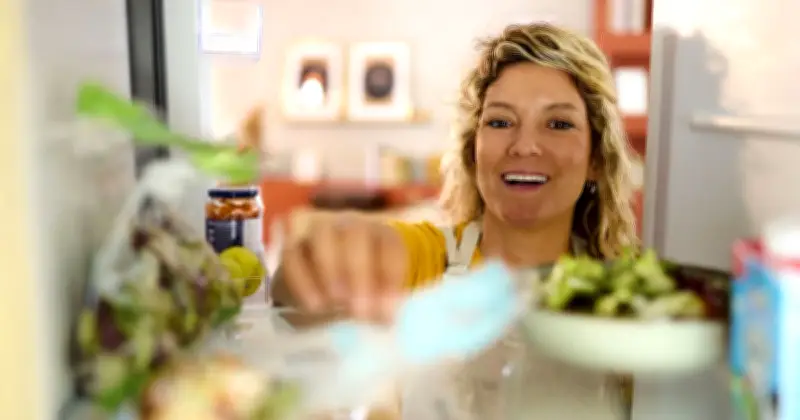
A fridge expert from Hotpoint has shared essential food storage tips that can help households make their groceries last longer. The advice comes as research indicates the UK discards approximately 9.5 million tonnes of food waste annually, the highest in Europe, costing an estimated £17 billion. Common causes include cooking excessive amounts, rushing ingredient measurements, and poor meal planning.
Understanding Temperature Zones
Jamie Cooper, Senior Product Manager for Refrigeration at Hotpoint UK, emphasizes that fridges have varying temperatures throughout. "The ideal fridge temperature is between 0.5°C and 5°C," he explains. "However, even within this range, different areas will be warmer or cooler. Storing items in the correct zones keeps them fresh for longer." Using a simple thermometer placed in the middle compartment helps monitor and adjust conditions.
Bottom Shelf: Coldest Zone
Raw meat, fish, and seafood should be stored here in sealed containers to prevent contamination.
Middle Shelf: Dairy and Leftovers
Dairy products, cooked meats, and leftovers belong on middle and top shelves. "Cheese, milk, and similar products should be stored towards the middle and top shelves," advises Cooper. He warns against storing milk in the door due to temperature fluctuations from frequent opening.
Door: Warmest Area
The door is best for less perishable items like sauces, jams, and condiments.
Crisper Drawers: Humidity Control
Vegetables thrive in high humidity, while most fruits prefer low humidity. Cooper recommends adjusting humidity switches accordingly: "High humidity for veg and low humidity for fruit." Sealed drawers maintain optimal moisture, keeping salads crisp for days.
Ethylene Gas Separation
Some fruits like apples, pears, and avocados release ethylene gas, which accelerates ripening in nearby foods. "You shouldn't store fruit in a drawer that contains vegetables," warns Cooper, as this gas can over-ripen produce when confined.
Maximizing Airflow
Proper airflow is crucial for consistent temperatures. Avoid overpacking shelves so tightly that food touches the shelf above, as poor airflow forces the fridge to work harder and causes uneven temperatures.
Smart Storage Strategies
Create a dedicated space for leftovers or short-shelf-life items to remind you to use them first. Storing herbs in a damp tea towel locks in moisture and prevents drying. The upside-down method for leafy greens—storing lettuce and spinach with stems pointing upward—prevents moisture pooling at the base, reducing premature rotting.
One-Minute Fridge Audit
Before shopping, quickly scan each shelf and drawer to avoid duplicate purchases and identify items nearing their use-by dates.
Glass vs. Plastic Containers
Use glass containers for leftovers as they don't absorb odors or stains, provide better visibility, and maintain consistent temperatures, helping food stay fresh longer.
Cooling Leftovers
Always let leftovers cool before refrigerating or freezing. Putting hot food in raises the fridge's internal temperature, forcing it to work harder and potentially affecting other items.
By adopting these storage strategies, households can reduce food waste and save money. Your fridge is designed to preserve food, but it needs your help to do its job properly.