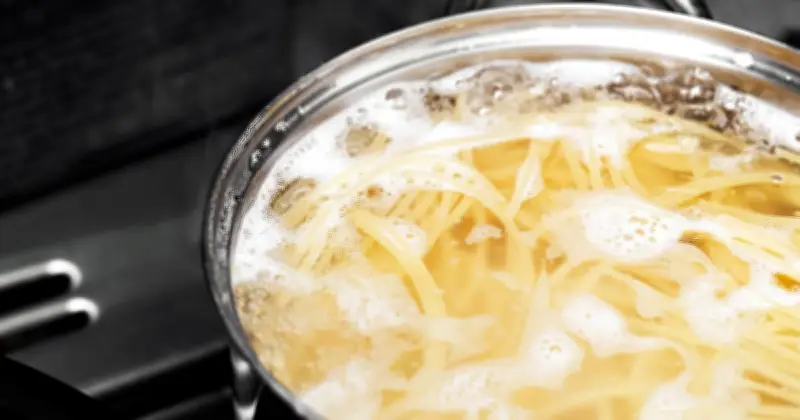
Pasta is a beloved staple for quick and easy meals, but choosing between fresh and dried varieties can impact your dish significantly. While many opt for dried pasta due to its long shelf life and convenience, fresh pasta offers a different texture and taste. Understanding their differences helps you select the best option for your recipe.
Ingredients and Production
Dry pasta is traditionally made from semolina flour and water, shaped and dried over several days until all moisture evaporates. This process allows it to be stored at room temperature for years without spoiling. In contrast, fresh pasta uses eggs and “00” flour, along with water or olive oil. Extra ingredients like spinach may be added for color. The dough is kneaded and cut by machine or hand, and because it contains perishable ingredients, it must be refrigerated.
Cooking and Texture
Dry pasta is typically cooked al dente, meaning it retains a slight chewiness while being tender. Fresh pasta is smoother and softer, cooking in just a few minutes compared to dry pasta’s 10–15 minutes. This makes fresh pasta less suitable for an al dente texture.

Best Uses for Each Type
According to experts at Taste of Home, pairing pasta with the right sauce is key. Dry pasta works best with hearty sauces like ragù or bolognese, as its firm texture complements rich flavors without becoming heavy. It also holds up well in soups like minestrone, which require longer cooking times. Fresh pasta, on the other hand, is ideal for delicate sauces such as carbonara, pesto, or cacio e pepe. However, it is not recommended for baked dishes or leftovers, as it tends to fall apart and become gummy when reheated.
By choosing the right pasta for your meal, you can enhance both flavor and texture, ensuring a satisfying dish every time.