
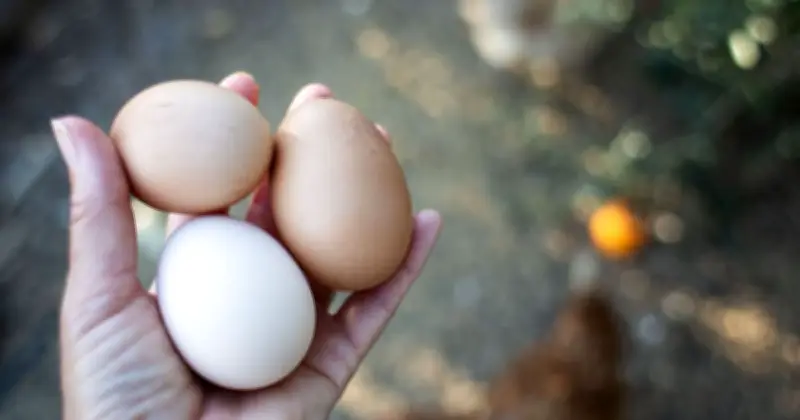
Eggs are a popular breakfast food, but not many people know the difference between the varieties. Choosing eggs can be confusing, with labels like free-range, barn, caged and organic varieties on the shelves. Throw blue eggs, rich yolk eggs and duck eggs into the mix, and it can be hard to pick. There is also a difference between brown and white eggs. However, the most common eggs on UK shelves are free-range and organic, both promising different things. It is important to know the difference between them so shoppers can choose eggs that suit their needs.
Regulatory Oversight
The Department for Environment, Food & Rural Affairs oversees organic egg production in the UK, setting strict standards for labelling, feeding and bird welfare. Producers must be certified by an approved control body to legally market and label their eggs as organic. The Soil Association is one of several approved certification bodies that inspect and certify organic egg producers against organic standards. They have shared the differences between organic and free-range eggs.
Organic Egg Standards
Organic eggs come from hens raised to the highest welfare and environmental standards in the UK, according to the Soil Association. These standards shape every part of a hen's life, including the size of the flock and the space they have outdoors, as well as what they are fed and how they are cared for.
Smaller Flocks
The maximum flock size for organic chickens is 3,000 hens. In comparison, RSPCA Assured's free-range standards set a maximum flock size of 16,000 hens. In intensive caged systems, there is no maximum, with some flock sizes reaching 100,000 chickens.
Truly Free-Range with Access to the Outdoors
Having fewer birds encourages more of them to use outdoor space and makes it easier to care for animals individually. This ensures the birds are kept to the highest welfare standards. Organic chickens must have continuous and easy daytime access to an outdoor range covered with suitable vegetation. Organic farms certified by the Soil Association have to provide more pop holes (exits from the hen house) than free-range farms do to encourage chickens to get out as much as possible.
Range Size
Under Soil Association standards, each hen is allowed a minimum of 10 square metres of space outside, compared to four square metres for hens raised to EU organic and free-range standards.
Chickens Get Outside at a Younger Age
Another way Soil Association organic standards differ from other laying hen systems is that certified farmers must give hens access to the outdoors for 12 weeks. This is much younger than in free-range systems. According to the Soil Association, hens are initially fearful of new environments, such as the outdoor range. By giving them access from a younger age, farmers encourage a more free-range life for the hens.
Kate Still, animal welfare specialist at the Soil Association, said: "The outdoor range provides many behavioural opportunities for hens. It is a stimulating environment where they can explore, forage for insects, scratch around in the ground, and bathe in the sun and dust."
Higher Standards of Animal Welfare
Under the Soil Association's standards, beak trimming is banned, but it is usually performed on laying hens in the UK, including EU organic and free-range systems. It is performed to reduce the damage birds can cause to each other through feather pecking. However, it can be painful, stressful, and prevent the hens from expressing their natural behaviour.
No Routine Use of Antibiotics
Furthermore, the routine use of any antibiotics is banned by organic standards. Under these standards, antibiotics must be used only to treat animals when they become ill. Because of lower stocking densities and higher animal welfare standards, organic animals need antibiotics far less frequently than non-organic or free-range livestock.
Genetically Modified Free Diet
When it comes to feeding, the Soil Association says that over one million tonnes of genetically modified (GM) crops are used to feed animals in the UK alone. This is banned by organic standards, and organic birds are not fed on GM grains or feed, which is common in free-range and non-organic hens. Outdoor foraging means that organic chickens get to eat a variety of plants, grubs and insects, which adds variety to their diet and keeps them healthy.




