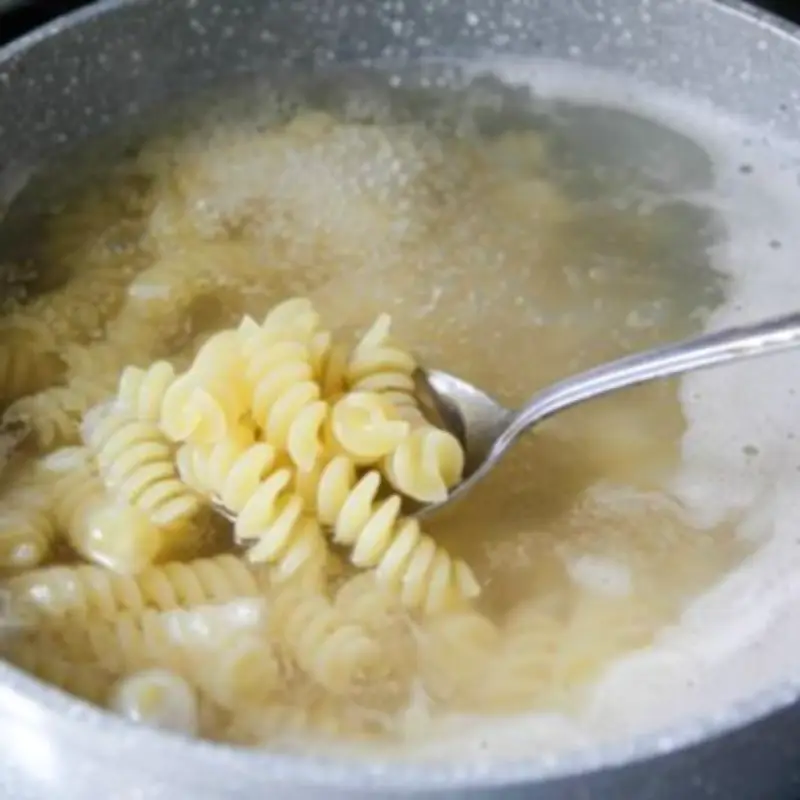
Pasta is unbeatable when you need a speedy and straightforward lunch or dinner. For this reason, it is a true cupboard essential that many of us grab from the supermarket during our weekly shop.
For most people, a packet of dried pasta, typically found alongside the tinned tomatoes and rice, is the go-to choice. It lasts for years, cooks quickly, and tastes wonderful too. But if you prefer fresh pasta or like to alternate between the two, you might be curious whether there is a genuinely significant difference.
Ingredients and Production
According to the culinary experts at Taste of Home, the variety of pasta you choose has a substantial impact on the flavor and consistency of the finished dish. Dry pasta is typically made with just water and semolina flour, then shaped and left to dry for several days until the moisture evaporates. It is kept in the ambient aisle of supermarkets and can remain good for years without spoiling.

Fresh pasta, on the other hand, is made with eggs and flour, typically a type called "00" flour. It also includes water or olive oil, and occasionally additional ingredients like spinach are added to give the dough a vivid color. The dough is worked and fed through a cutting machine or hand-sliced for rustic-style pasta. Because fresh pasta includes perishable ingredients, it needs to be stored in the fridge.
Cooking Times and Texture
When cooking dry pasta, it should be prepared al dente, meaning it retains a slight firmness. It should be somewhat chewy yet tender when eaten. In contrast, fresh pasta has a much smoother and softer texture, making al dente cooking not always possible. Because of this, fresh pasta requires just a couple of minutes to cook, while dried pasta can need anywhere from 10 to 15 minutes, depending on its shape.
Best Sauces for Each Type
Experts suggest matching dry pasta with hearty sauces such as ragu or bolognese, as the texture pairs beautifully with the intense flavors without becoming heavy. It is also excellent for adding to soups like minestrone, which often require lengthy stovetop cooking, helping prevent the pasta from disintegrating. For fresh pasta, delicate sauces such as carbonara, pesto, or cacio e pepe are perfect choices.
The experts noted: "We do not recommend using fresh pasta in baked recipes or anything that makes leftovers. Meal prepping for the week works well with dry pasta, but fresh pasta will fall apart in the refrigerator, turning into a gummy mess when it is reheated."