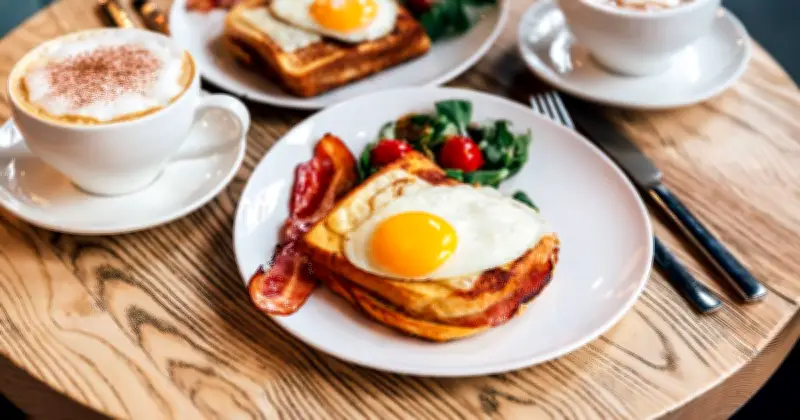
Fried eggs are a breakfast staple. One recipe developer says ditching butter for a better ingredient could be the answer to a delectable fried egg.
Eggs are a timeless breakfast staple, with every home cook having their own favourite way to prepare and enjoy them. Fried eggs are among the simplest to make, and remain a cornerstone of a traditional full English breakfast. While numerous recipes recommend fats such as butter or oil to achieve the perfect fried egg, one recipe developer begs to differ, asserting that a superior alternative ingredient exists.
Recipe developer Megan Scott claims this straightforward substitution is "better than butter". This swap can help create the "most buttery-tasting, tender-yet-caramelised eggs" you'll ever cook.

Rather than reaching for butter or oil, Megan opts for a richer dairy alternative: double cream. The concept is that as the cream cooks, it produces a crispy base by rendering the butter in the pan.
She wrote for Simply Recipes: "To my amazement and delight, the cream eggs were not only delicious, but they tasted even more buttery than eggs fried in actual butter! And for all my worry about the eggs lacking crispness, the cream eggs browned beautifully on the bottom and were somehow both lightly crisp and very tender."
The concept of "cream eggs" was originally devised by Aki Kamozawa and Alex Talbot on their blog, Ideas in Food. To achieve the perfect caramelised egg, begin by warming the double cream in a pan.
Megan uses approximately three tablespoons of cream to cook two eggs. Wait until the cream begins to simmer, then add the eggs, together with any seasoning of your preference. Cook until the cream starts to evaporate. The eggs will be ready once all the cream has evaporated and the egg whites have set. Megan advises removing the pan from the heat, placing a lid on top and allowing the yolk to finish cooking using the residual heat.
She explained: "When I say that the cream evaporates, that's not the whole story. Cream is mostly water, but it is also very high in fat and milk solids, a term that refers to the protein, carbohydrates, and minerals in dairy products. As you simmer cream, the water indeed evaporates, turning into steam. However, fat and milk solids cannot evaporate, so they remain in the pan, becoming more and more concentrated. Once all the water in the cream has evaporated, the fat 'fries' the eggs, and the milk solids start to turn golden, just like when you make brown butter."