
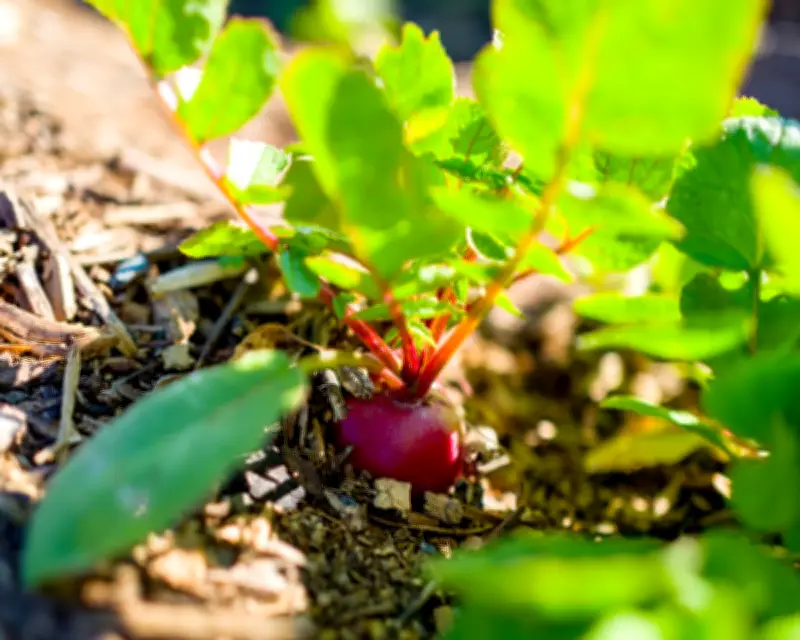
Some crops, such as radishes, lend themselves to being sown where they will be harvested. Summer is here, and it is the perfect time to direct sow vegetables in your garden. Starting your crops where you will harvest them avoids transplant shock and can speed growth, but beware of hungry animals.
Embrace Direct Sowing for Better Results
Many gardeners prefer using modular seed trays for control, but direct sowing has distinct advantages. Crops grown directly in the ground do not suffer root disturbance, unlike those transplanted from trays. This method is less work, frees up space in greenhouses, and reduces the need for seed compost.
Which Crops Are Best for Direct Sowing?
The classic direct-sown crop is the carrot, along with other root vegetables like parsnips, turnips, and radishes. Beans, courgettes, and cucumbers can also be sown directly now, provided the last frost has passed and the soil is warm enough. Lettuce and rocket often have inconsistent germination in heat, making direct sowing more reliable than starting under cover.
Prepare Your Soil Properly
For successful direct sowing, soil should have a fine tilth – a crumbly texture free from large clods, stones, and weeds. Regular mulching with compost helps achieve this without excessive soil disturbance. Time your sowing carefully, as outdoor conditions are harder to control. Ensure the weather is warm enough for germination, and avoid sowing during cool, wet spells or heatwaves. Keep the soil moist after sowing.
Protect Seeds from Pests
Seeds are valuable food for animals, so consider protecting beds with netting or holly branches to deter hungry visitors.




