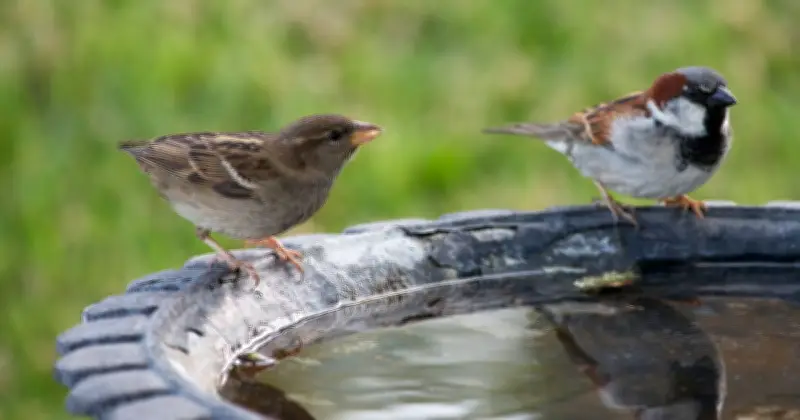
Birdbaths are among the most beneficial additions gardeners can make to support birds, offering not just an essential source of drinking water but also a way to stay cool. From August onwards, young birds generally start leaving their nests, and easily accessible water greatly enhances their survival prospects. While owning a birdbath is an incredibly kind gesture, the main drawback is the substantial maintenance they demand. Birdbaths are well-known for quickly developing an unsightly green coating, caused by bacterial growth alongside bird droppings, pollen and plant matter.
Vinegar as a natural cleaner
Numerous gardeners struggle with keeping birdbaths clean, but Mariah, a home gardener recognised online as the Country Plant Lady, has shared that maintaining a spotless birdbath doesn't have to be difficult if you use vinegar. Mariah explained: "Vinegar is gentle, non-toxic, and breaks down algae without any harsh chemicals. Clean water helps keep your local birds healthy, reduce risk of disease spreading, hydrated, and coming back for more little splash baths."
Vinegar is a harmless acidic solution that efficiently dissolves dirt, algae and stubborn grime from birdbaths. It is one of the most simple cleaning approaches you can use, breaking down stubborn build-up and saving gardeners from lengthy scrubbing sessions. All you need is affordable white vinegar, usually found in the condiment section of most supermarkets for around £2 to £3, although you may well already have a bottle tucked away in your kitchen cupboard.
How to properly clean a birdbath
Start by tipping the stagnant water out onto the ground. Ideally, this should be carried out every few days to ensure birds have access to fresh drinking water, though the birdbath itself won't need a thorough clean quite as often. Next, mix the vinegar with some clean warm water and pour a modest amount into the birdbath. Leave it to soak for 20 minutes, giving the solution ample time to break down any organic residue in the basin.
Should there be any rocks inside your birdbath, pour the mixture over those too and set them aside. Once the time is up, take a bristled brush and gently scrub the birdbath — any marks should come away with ease, leaving no stains behind. Rinse the birdbath thoroughly with clean water, refill it and allow it to dry completely before placing it back in the garden. The birdbath will offer birds a safe spot to drink, while being remarkably straightforward to clean in less than 30 minutes.
RSPB advice on keeping birds safe in autumn
The RSPB has recently updated its bird-feeding recommendations, urging people to "feed seasonally". It advised reducing feeding between May 1 and October 31, limiting provisions during these months to "small amounts of mealworms, fat balls or suet". The reasoning behind this is that during summer and autumn there's a heightened risk of disease transmission, putting bird populations that are already in decline at greater risk.
The organisation has also halted sales of its flat bird tables amid concerns they could be facilitating the spread of deadly diseases amongst finches. It recommends cleaning bird feeders and water baths at least once weekly to prevent disease, avoiding feeders with flat surfaces, and replacing water in bird baths daily.