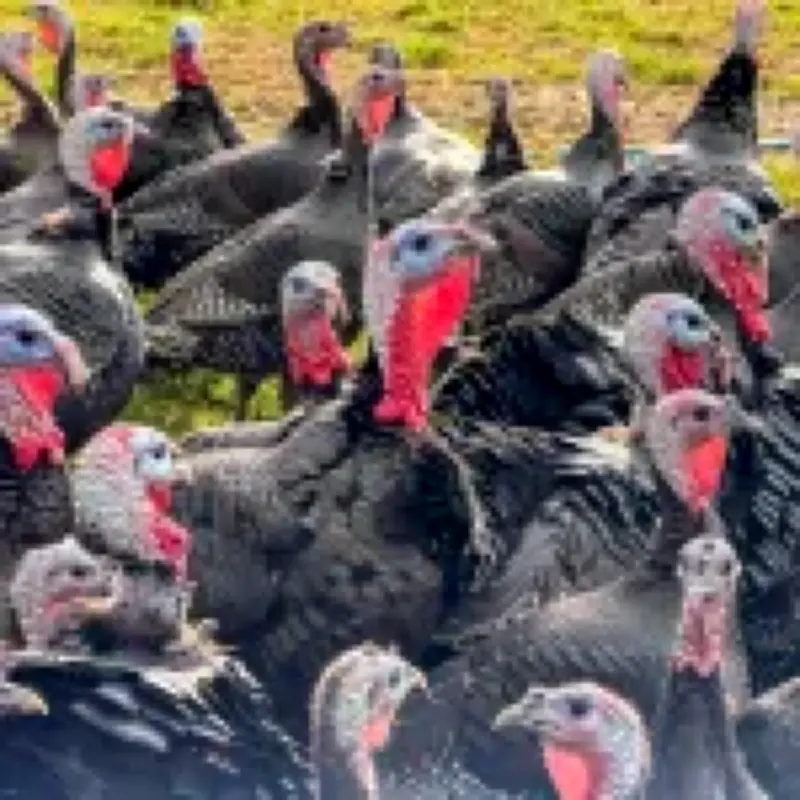
A bird flu outbreak at a poultry farm near Belford, Northumberland, has led to the deaths of 2,000 birds, with a further 29,000 set to be culled to manage the spread of the disease. The incident has raised concerns about the availability of turkeys for Christmas lunches.
Outbreak and Cull
The farm has seen 2,000 birds die from the virus, and authorities have now ordered the culling of 29,000 more birds to contain the outbreak. A protection zone has been established around the facility to limit further spread.
Northumberland County Councillor Guy Renner-Thompson warned that other farms, including turkey farms, could be affected if the illness spreads. He told the BBC: 'If bird flu gets into those, that's ruined them for the year – because that's their main money-making part of the year.'
Understanding Bird Flu
Bird flu is a disease of birds caused by influenza viruses. The strain found in Northumberland is the H5N1 virus. Symptoms in birds include a swollen head, closed and runny eyes, lethargy and depression, lying down and unresponsiveness, lack of co-ordination, eating less than usual and a sudden increase or decrease in water consumption.
Some species such as ducks, geese and swans can carry the avian influenza virus and spread it without showing any signs of illness.
Risk of Spread
Councillor Gordon Stewart added: 'Wild birds migrating to the UK from mainland Europe during the winter months can carry the disease and where wild birds are allowed to mix with domestic poultry this can lead to the disease spreading to captive birds.'
He said: 'Bird keepers should remain alert for any signs of disease, report suspected disease immediately and ensure they are maintaining good biosecurity on their premises.'