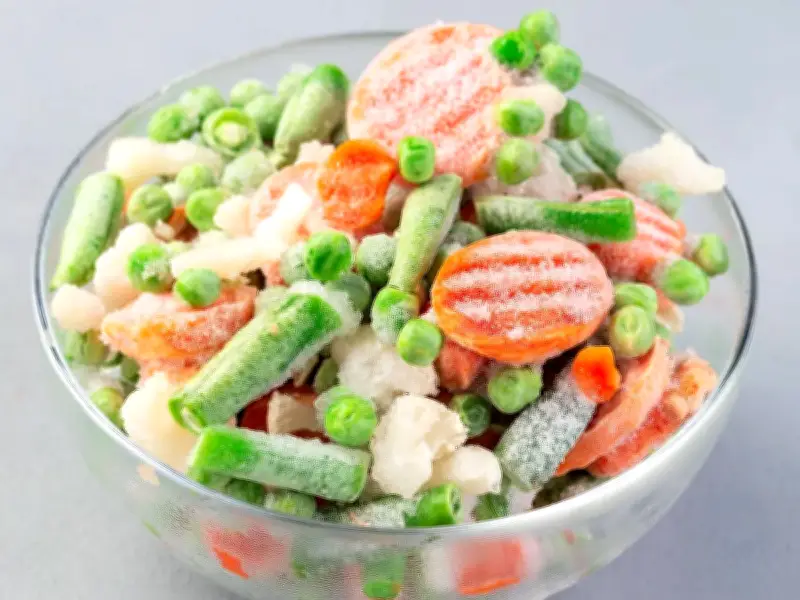
Sautéing frozen vegetables over high heat rather than boiling them preserves nutrients and delivers a richer flavour, according to a classically trained chef. The method, recommended by Dennis Littley, also cuts cooking time compared with boiling.
Why Sautéing Beats Boiling
Boiling frozen vegetables strips away both flavour and vital nutrients. Sautéing, by contrast, gives the vegetables caramelised edges and a deeper taste, while keeping their nutritional value intact. The process typically takes five to eight minutes, depending on the vegetables used.
Littley told Food Republic: "Sautéing transforms frozen vegetables, giving them caramelised edges and a deeper taste." He also suggests adding an acid to elevate the dish.
How to Sauté Frozen Vegetables
To sauté, heat one to two tablespoons of olive oil in a large frying pan over a medium-high heat. Once the oil is hot and sizzling, add the frozen vegetables straight from the freezer—no need to defrost them first. Stir occasionally to prevent sticking.
Within a few minutes, the vegetables develop a caramelised exterior that brings out a rich flavour. Season with salt and pepper to taste near the end of cooking. As a final step, add a squeeze of lemon juice.
Littley said: "A splash of lemon juice at the end brightens the flavours and balances the natural sweetness."
Works With Any Frozen Vegetables
This method suits virtually any frozen vegetable, whether a classic blend of peas, corn, green beans, and carrots, or options like bell peppers and cauliflower. The result is a pan of vegetables with a slightly crispy texture and enhanced taste.