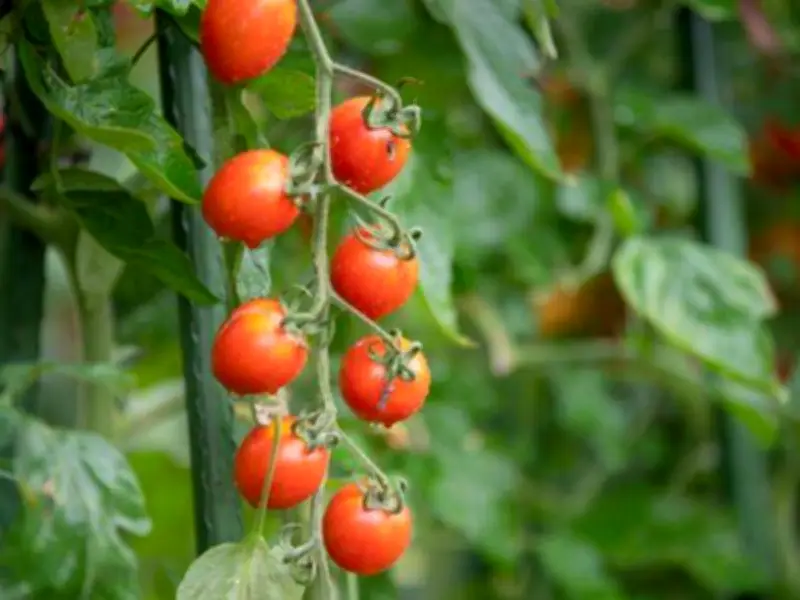
Gardeners aiming for a bumper crop of large, sweet tomatoes this summer should consider a simple pruning technique known as truss pruning, according to greenhouse experts at Juliana. The method, which takes only seconds per plant, involves removing some fruits from each cluster to allow the remaining tomatoes to grow significantly larger.
What Is Truss Pruning?
Truss pruning is the practice of selectively removing some tomatoes from a truss—the cluster where fruits develop—so the plant can direct more energy into fewer fruits. The Juliana team explained: "To maximise the size of your tomatoes, consider truss pruning. This is especially important on larger, beefsteak tomatoes, where the weight of developing fruit can damage the plants."
In the UK, tomatoes typically start ripening from mid-summer onward, with greenhouse crops fruiting from June through October. The Royal Horticultural Society (RHS) notes that cordon or indeterminate tomatoes, which grow tall and require supports, benefit most from this technique.
When to Prune for Best Results
Timing is crucial. For indoor tomatoes—whether in a greenhouse or kitchen—experts recommend pruning once the plant has produced seven fruit trusses. Outdoor tomatoes should be pruned when they reach four trusses. Pruning in June, when plants are setting fruit, ensures the plant prioritises the right trusses before the main ripening phase.
How to Perform Truss Pruning
The method is straightforward. According to the Juliana greenhouse experts, gardeners should aim to retain approximately four to six tomatoes per truss on indoor plants. "Remove the smallest or misshapen fruits, allowing the plant to concentrate its energy on developing fewer, but larger, fruits," they said. "Regularly check your plants and prune as needed throughout June."
Think of it as helping the tomato plant direct its resources: instead of developing eight or ten smaller fruits, it channels more sugar, water, and nutrients towards just four or five, resulting in larger, more flavoursome tomatoes.