Pouring boiling water from a kettle directly onto weeds is an effective way to kill them at the root and stop them from returning in spring, according to gardening author Susan R. Stoltz, founder of the Retired Gardener.
Winter is one of the best times to tackle weeds because many common varieties, such as dandelions, bindweed and nettles, continue growing underground even in freezing temperatures. This allows them to develop strong root systems, making them harder to control once temperatures rise. Rainy weather can also wash seeds into cracks, leading to hundreds of weeds on patios and driveways.
Why Boiling Water Works
Stoltz explained: “Nothing survives boiling water, except thermophiles and certain seaweeds, which probably won't be found in your garden or patio anyway.”
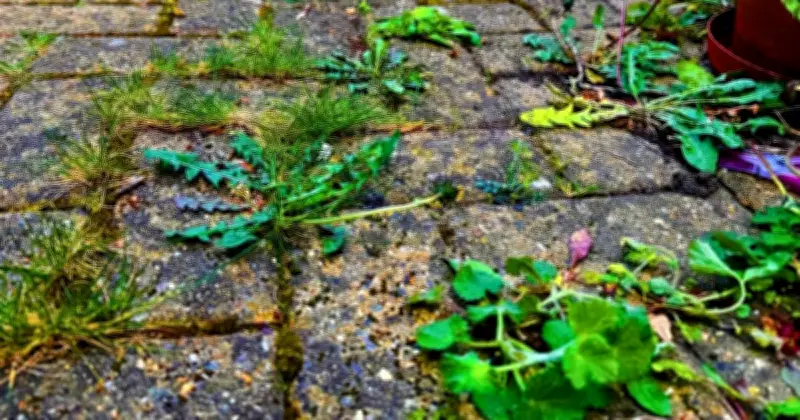
She added: “So those annoying weeds you find in driveway or sidewalk cracks? The weeds in between bricks on your patio? How about the ones in the gravel that spread out and hang on for dear life? Time to put the kettle on!”
Spraying only the leafy part of a weed damages the foliage, but the roots underground keep the plant alive. Since only a small part of the root needs to survive for a weed to regrow, reaching the roots can be difficult when they grow on stone surfaces. Boiling water, being a liquid, can reach roots even under concrete, and the extreme heat destroys the plant cells.
How to Apply the Method
To use this method, boil a kettle and carefully carry it to the garden. Look for weeds growing in cracks, joins or gaps, then hold the kettle at arm's length and slowly pour the water directly onto each weed, going as slowly as possible to prevent splashback.
After a few hours, the weed should begin to wilt, and after a day or two it should die completely. If the weed does not turn brown, it may have particularly strong roots, and more boiling water should be poured on it. Once dead, the weed can be left or loosened with a broom and thrown in the bin.
This method can also be used on a lawn, but it will kill the grass and leave bare patches that will need time to grow back.