Temporary restrictions on the movement of animals in Dumfries and Galloway are set to be introduced to halt the spread of the deadly bluetongue virus.
Earlier this month, a lamb in Creetown became the first case in Scotland, with six farms over 50 miles recording cases since. It is believed by experts that strong winds blew virus-spreading midges into Scotland from down south.
Movement Restrictions and Surveillance
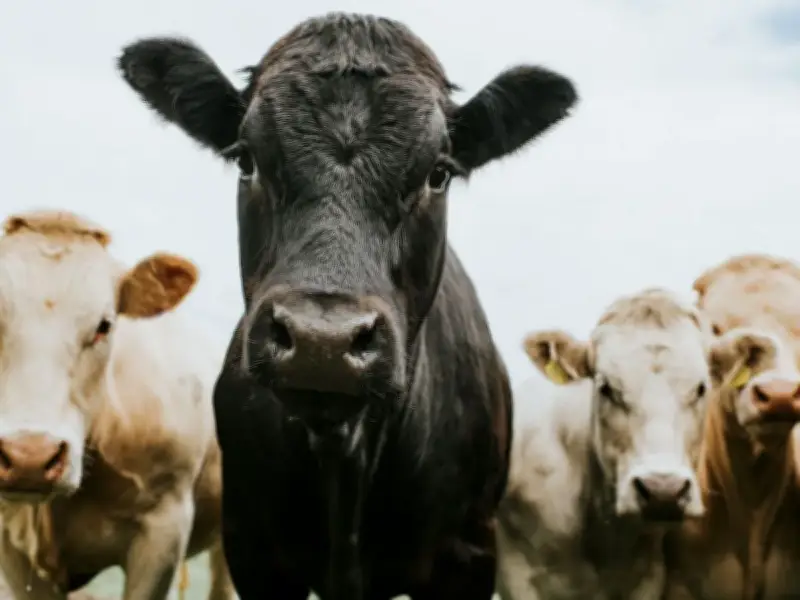
All animals susceptible to the virus, such as sheep, cattle and goats, will have movement restrictions meaning it can only take place under licence alongside more surveillance and testing of animals nearby, reports the BBC.

To reduce the risk of the disease spreading, animals travelling from any part of Scotland to the restriction zone in the rest of the UK must return to Scotland that same day. The existing rule permitting up to four days away is replaced by this.
Vaccination Requirements
Aside from animals returning under the same-day rule, susceptible livestock being transported into Scotland from other parts of the UK will also require vaccination starting on September 10.
Bluetongue serotype 3 (BTV3) causes fertility issues in infected cattle and a high death rate in infected sheep, but it has no effect on humans or food safety.
Government Response and Impact
The Animal and Plant Health agency of the UK government, which releases daily updates, is where cases must be reported. The Scottish Government has noted that seven sheep and 13 cattle have so far been affected - with some having been euthanised on welfare grounds.
Agriculture minister Jim Fairlie said: "I do not underestimate the pressure [the restrictions] place on those affected. I am very grateful for their continued constructive engagement as we work together to introduce an effective control strategy while minimising restrictions on businesses as far as possible."
"We will ensure that control measures are proportionate. This is a dynamic situation while further investigations are carried out, and we will continue to monitor it closely, considering further control measures as necessary in partnership with industry."
"Vaccination remains our best long-term defence, and I would strongly encourage all farmers to discuss this with their vets and place vaccine orders now to ensure access to supplies."
"We continue to work with other UK nations, manufacturers and distributors to ensure timely access to vaccine, with more doses being brought in from continental Europe and additional supplies now in production."