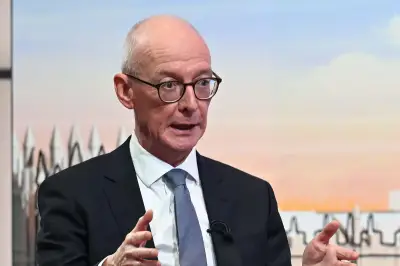
Brexit "isn't working the way it should be" and the changing world means the UK and EU "have to be working much more closely together", Sir Keir Starmer's former chief Brexit negotiator has said. Nick Thomas-Symonds, the MP for Torfaen, was approached by Starmer in 2023 to lead negotiations if Labour won the election, a role he relished until his boss was ousted this summer.
The EU-UK summit, originally due in May then July, is now taking place in November without Starmer or Thomas-Symonds, following leadership challenges and changes. "I wouldn't be being human with you if I didn't say I wasn't extremely frustrated and disappointed not to hold the UK-EU summit," he said.
Frustration at Missing Summit
Thomas-Symonds expressed pride in leaving behind a summit "very close to being finished in May and July." He explained how he laid the groundwork for the reset in opposition, wrote the manifesto page, built relationships across Europe, and did the work in government. "By the time I got to May this year, I'd been essentially the best part of three years doing this," he said.
The summit was originally meant for May, but the leadership crisis after the May elections delayed it. He persuaded the EU to hold it on July 22, but Andy Burnham became Prime Minister on July 20, pushing the summit to the autumn. "I felt like the marathon runner who'd done 25 miles, you can see the finish line, and then it just disappears," he said.
A 'Necessary Conversation' on Brexit
Thomas-Symonds, a staunch defender of the red lines against rejoining the single market, customs union, and restoring freedom of movement, says how Brexit looks in 2026 is a "necessary conversation." He noted that after the summit, there would need to be a debate as a governing party about what to put in the next manifesto.
He confirmed that the red lines set out in the 2024 manifesto "all stand, and they will be honoured in this Parliament." However, he acknowledged the debate is happening with as much vigour as a decade ago. "The position we have at the moment is just not working in the way it should be. There's far too much in terms of red tape, barriers to trade," he said.
Changing World and Closer Ties
Thomas-Symonds highlighted that the world is very different in 2026 compared to 2016, citing Putin's illegal invasion of Ukraine and shifts in American policy. He noted that European members of Nato are expected to take on a far greater burden in defence spending, a shift raised previously by President Obama. "Those things are pushing the UK and the EU together," he said.
He argued that working more closely together isn't about one side winning or losing, but about mutual benefit in a dangerous world. "This is a moment of history when, if you like, the tectonic plates are shifting," he said.
Democratic Mandate and Future Options
On changing the position, Thomas-Symonds stressed the need for a democratic mandate. "If we want to change any of the red lines that we've got, it has to go in our manifesto so people will have the opportunity to vote on that," he said. He personally believes rejoining the EU cannot happen without a referendum.
He cited the EU's Made in Europe programme as an example of why the status quo is not an option, as companies in Wales could be squeezed out of supply chains. "You can't just say 'stay where we are' because that isn't an option," he said. He expects the UK and EU to get closer, but wants a debate grounded in fact, with options to present to the public at the next general election.
On Brexit fatigue, he acknowledged it but said the world has changed and the agreement with the largest market on the doorstep "could be so much better than this." He said it's right to have the national conversation, but it must go with where the public are. He would relish a debate with Reform UK, saying people want to see change and governments must confront big issues like social care.