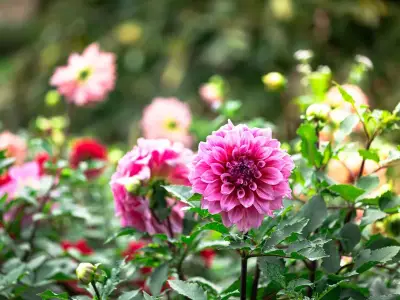
Blue Diamond, a major British garden centre group with more than 50 stores across the UK and Channel Islands, is expanding its range of plants suited to hotter, drier conditions. The move comes as traditional garden plants become harder to grow and keep alive due to increasingly hot and dry summers.
Adapting to Extreme Heat
The decision follows an exceptionally difficult summer for the gardening trade, with prolonged heat stressing plants and keeping customers away during the hottest spells. Instead of relying heavily on varieties traditionally suited to the British climate, Blue Diamond is placing greater emphasis on plants originating from Australia, Africa, and the Mediterranean.
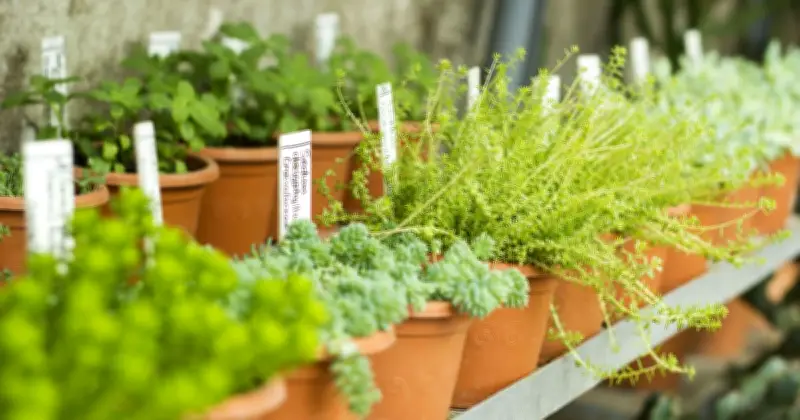
Among the highlighted varieties are agapanthus, known as the African lily, which produces distinctive blue flowers and thrives in sunny conditions. Other additions include santolina, or cotton lavender, a Mediterranean plant with silvery foliage that copes well with dryness, as well as Australian callistemon, commonly called bottlebrush, and the flowering crepe myrtle.
Challenges for the Industry
Alan Roper, Blue Diamond's managing director, said the impact of high temperatures had been unlike anything he had experienced in over three decades of garden centre retail. The weather has created problems at both ends of the business: plants exposed to prolonged heat deteriorate more quickly, leading to greater losses and forcing retailers to reduce prices on damaged stock. At the same time, shoppers have been less inclined to visit garden centres during extreme heat, hitting sales on some of the busiest days of the season.
The difficult conditions coincide with drought affecting much of England and widespread dry conditions in Wales, increasing pressure on gardeners and businesses to keep plants watered. According to the Horticultural Trades Association, gardening sales in June were 5% lower than a year earlier and 13% below June 2024 levels. The trade body has warned that unpredictable weather is a growing problem for the industry, while concerns over water use restrictions add to the challenges.
Innovative Solutions
Blue Diamond is responding by changing both its plant varieties and display methods. New plant beds are being designed with reservoirs to hold water, reducing moisture loss. The company is also developing a peat-free compost that retains moisture more effectively, addressing environmental concerns about peatlands and carbon emissions.
Roper believes the industry can no longer treat extreme heat as an occasional disruption. Summers once considered unusually hot are becoming more familiar, prompting retailers to reassess whether traditional plants are still suitable for British conditions. Blue Diamond's answer is a wider selection of heat- and drought-resistant plants, alongside measures to help them retain water longer.
The company may also be better positioned than smaller independent centres to absorb these impacts, having diversified into food, hospitality, clothing, and homewares. Nevertheless, the shift in plant selection reflects a broader change for British gardening, as retailers and customers face the possibility that plants once perfectly suited to the UK's climate may become increasingly difficult to maintain.