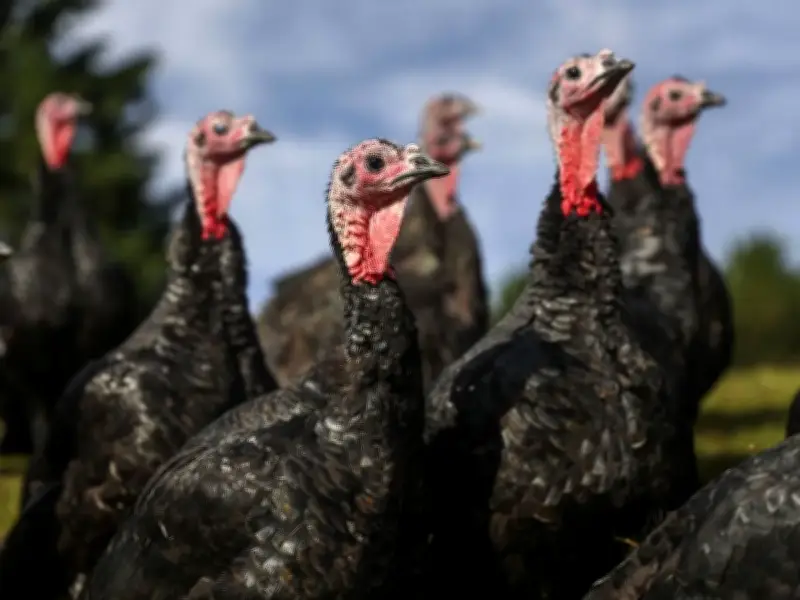
The government has ordered that poultry and captive birds across the whole of England must be kept inside to protect flocks from bird flu, with the new measure coming into force on Friday (November 13).
The mandatory poultry housing order, issued by the UK chief veterinary officer, follows recent weeks of increased risk and a rising number of confirmed cases of highly pathogenic avian flu. The condition can cause severe disease and death in birds.
What the new measures mean for bird keepers
Bird keepers must house all poultry and captive birds if they keep 50 or more birds, or if they sell or give away eggs, poultry products or live birds. Officials said there are some specific exemptions, such as some zoo birds.
An England-wide avian influenza prevention zone has been declared, which comes into force immediately, requiring all keepers to put in biosecurity measures to prevent disease. This includes those with commercial flocks, pets or a few chickens in the back garden.
Those affected will have to include reporting changes in egg laying, mandatory record keeping, disinfecting footwear, clothing, vehicles and equipment, and cleaning and disinfecting housing and concrete walkways regularly.
How bird flu spreads and its symptoms
According to the NHS, bird flu is an infection that mainly affects birds. The virus can spread to humans through close contact. It can be fatal but it's very rare in the UK.
People can get bird flu by coming into close contact with birds that are infected with the bird flu virus, or by touching the poo of an infected bird or an infected bird that has died. While it is found throughout the world, including the UK, most infections in humans have happened in parts of Asia and North Africa.
Symptoms of bird flu in humans usually start around 4 to 6 days after being in contact with an infected bird. Among the symptoms listed by the NHS are a high temperature, or feeling hot, cold or shivery, a cough, a sore throat, a runny or blocked nose, wheezing and sneezing, shortness of breath, and red, irritated eyes (conjunctivitis).
Official response to the outbreak
UK chief vet Christine Middlemiss said: "Bird keepers are urged to comply with the housing measures and to exercise robust biosecurity, remaining alert for any signs of disease and reporting suspected disease immediately to the Animal and Plant Health Agency."
"Having avian influenza confirmed in your flock can be devastating, I understand the impact this disease can have on the poultry sector and am extremely grateful for the continued co-operation of the industry," she added.